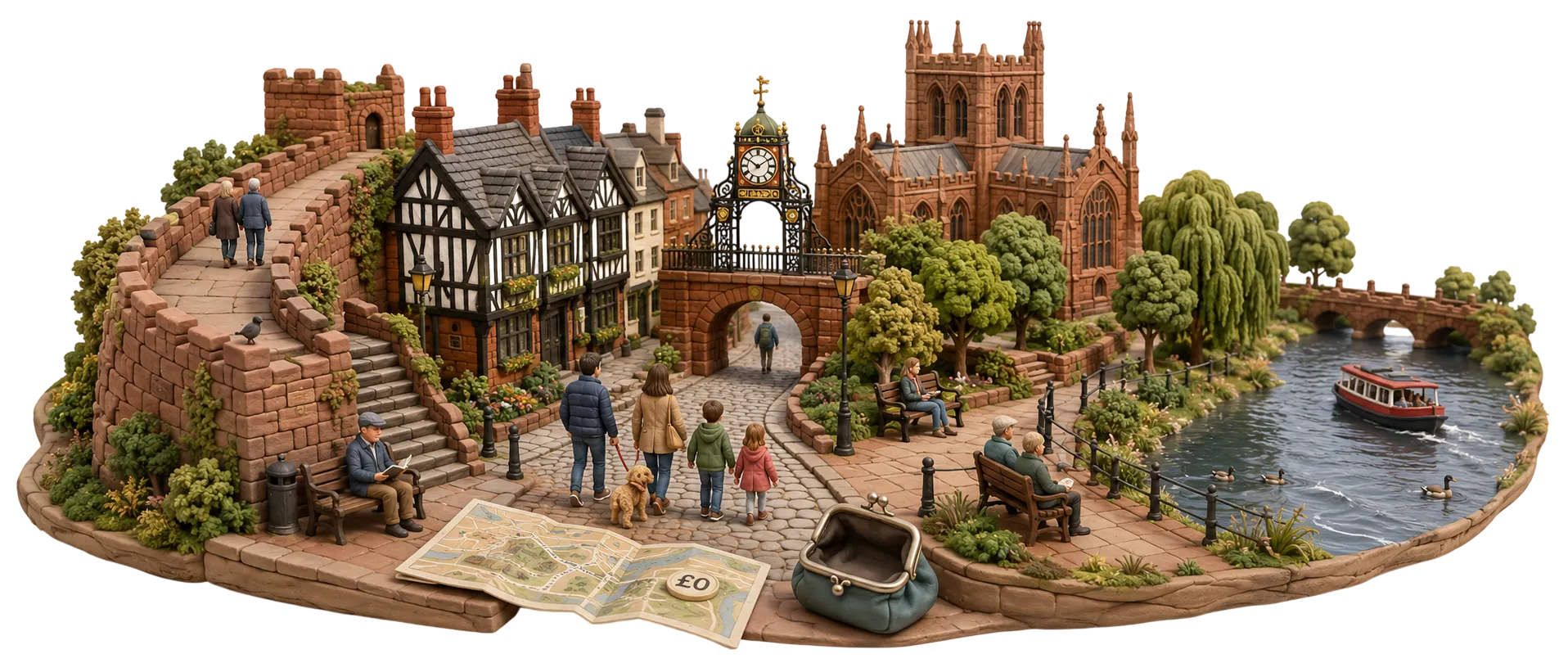
Chester is one of those rare UK cities where the best things to do do not have to cost anything. The Romans built it free, the medieval Rows are still free to walk, the walls are free to circle, and the river is free to look at.
You can spend a satisfying day here on roughly the cost of a sandwich and a coffee, and the only people who will tell you otherwise are the ones selling you something. What follows is everything genuinely worth your time without parting with cash, ranked roughly by how much we would actually recommend it.
The city is worth paying for. It is also brilliantly walkable for free.
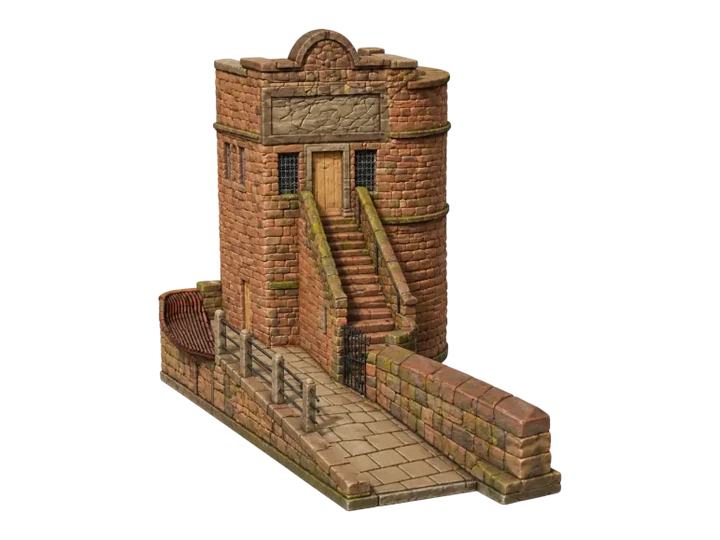
Walk the City Walls
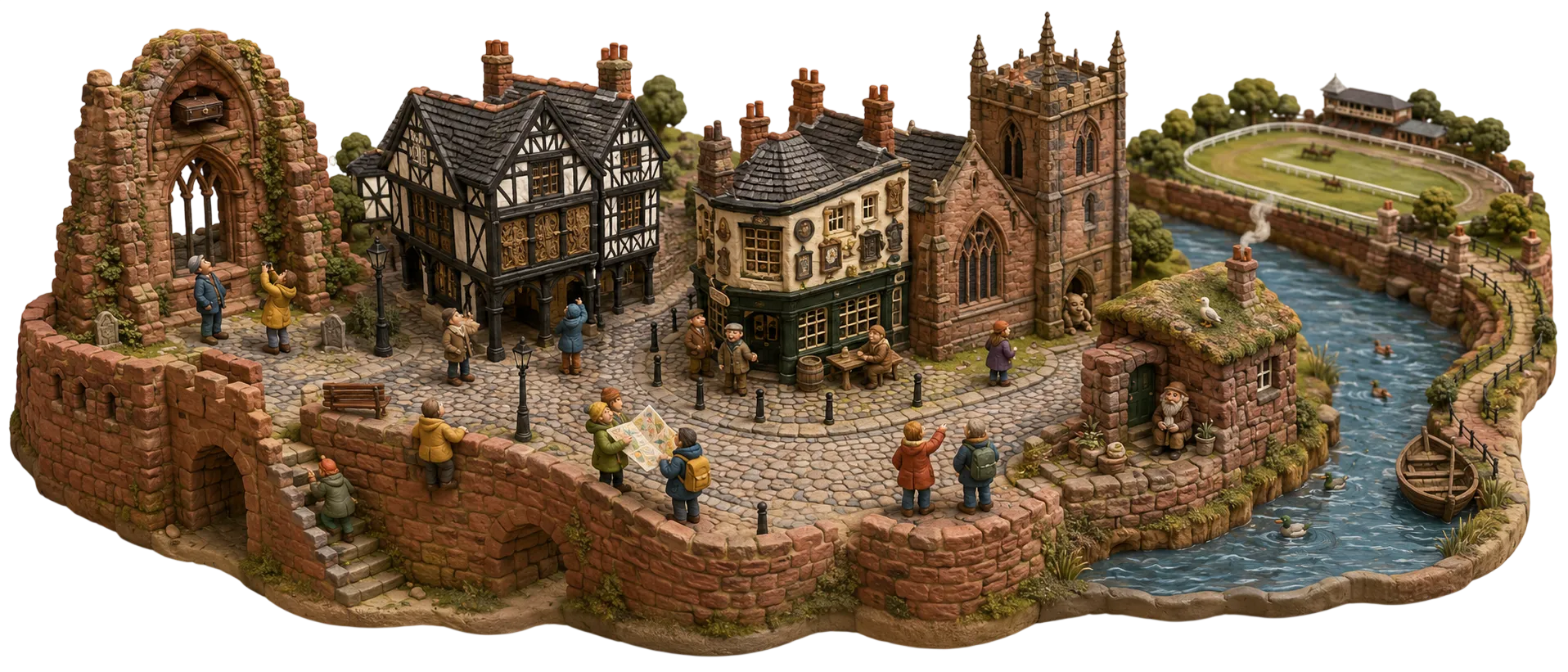
Chester’s walls are the most complete Roman and medieval defensive walls in Britain, forming an almost unbroken two-mile loop around the historic centre. They are free, always open, and elevated, which means you get a view of the racecourse, the river, the cathedral roof, the canal and the train station from a vantage point most cities cannot give you.
A full circuit takes about 90 minutes at a steady pace, longer if you stop. There is no ticket booth, no opening hours, no audio guide unless you want one.
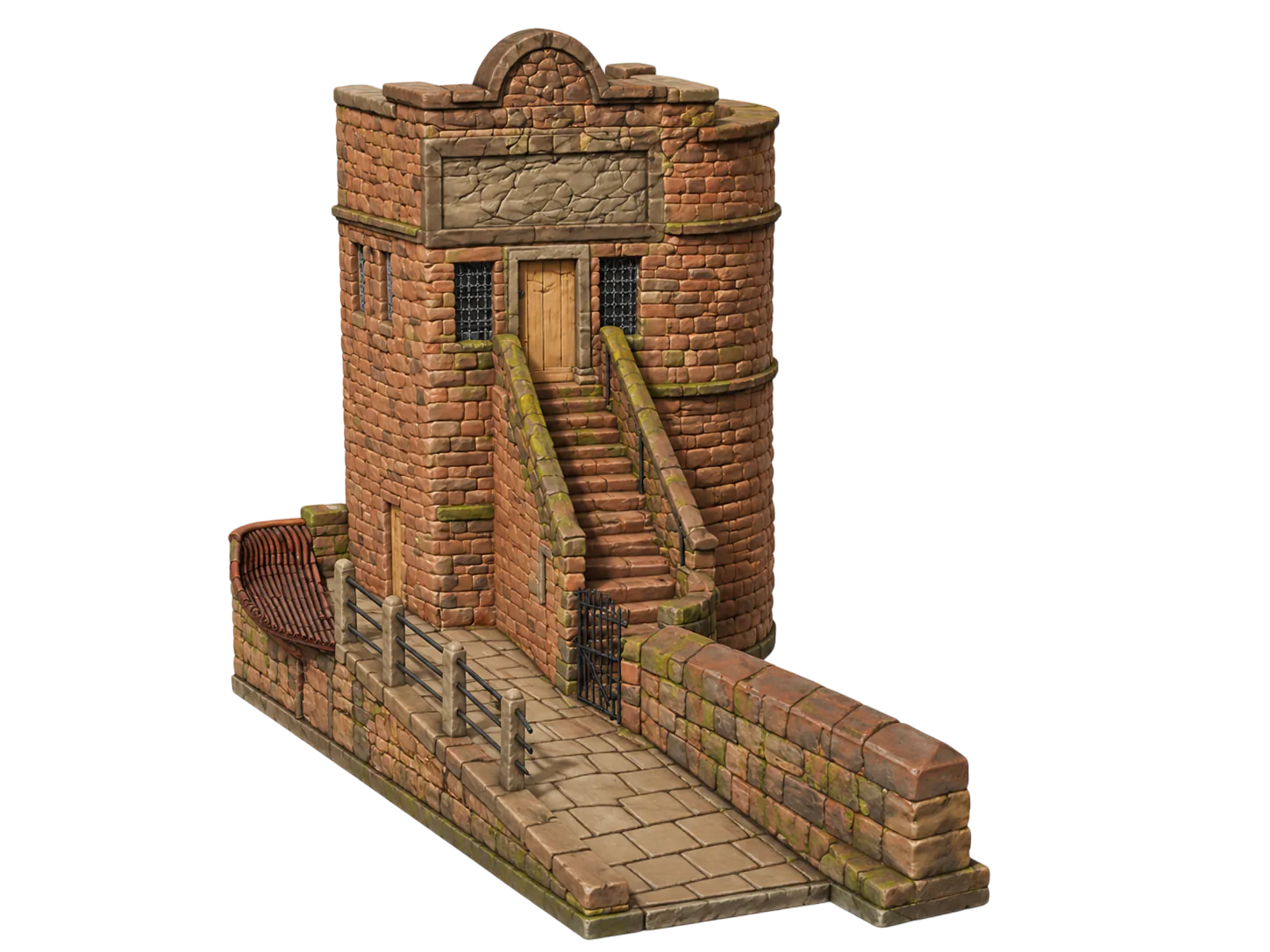
The best entry points are Eastgate, where the famous Victorian clock sits over the wall, Newgate near the amphitheatre, or the steps near the Bridgegate by the Old Dee Bridge. The stretch above the Roodee racecourse is the most photogenic. The section between Northgate and King Charles Tower has the most genuine Roman fabric remaining.
Chester City Walls — Free, central and the strongest first thing to do if you want to understand the shape of Chester.
Wander the Rows
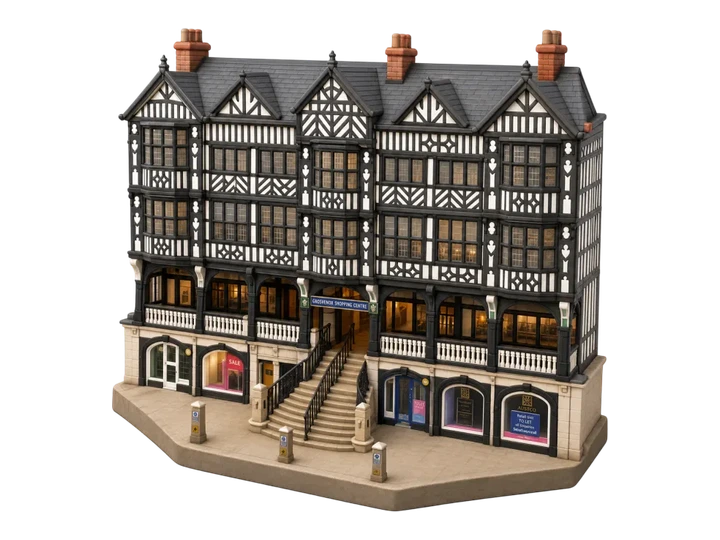
The Rows are Chester’s most famous architectural feature, and there is nothing else like them anywhere in the world. Two-tier medieval shopping galleries run along the four main streets - Eastgate, Northgate, Bridge and Watergate - with shops at street level and another covered walkway of shops a storey above, accessed by stone staircases.
They are free, they are working shops you can walk through, and you can spend an hour or two threading through them without buying a thing.
The Watergate Street section has the most intact medieval fabric, including Leche House and the Three Old Arches, which is reckoned to be the oldest shopfront in England. Bridge Street has the best photo angles.
Do not miss the carved corbels - the stone faces on the wooden beams above the upper Row are not there to be missed by anyone looking up. Whoever told you to look up was right.
the Rows — Chester's actual one-off: covered upper walkways, good photos, and free even if the shops tempt you.
Chester Cathedral
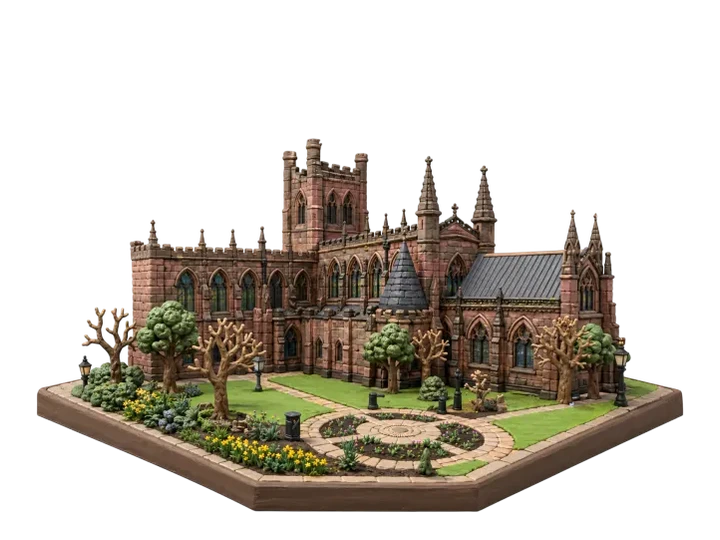
Cathedral entry is free for most of the year, with a small entrance fee charged during peak summer and Christmas periods. There is a suggested donation, and in practice the donation point is positioned to make declining feel awkward. That is worth knowing rather than being caught out by it. If you are happy to donate, do. If you are not, decline politely.
The building is genuinely worth a half-hour walk-through: a Norman north transept, a Gothic nave, the most complete set of monastic buildings in England, and a refectory with a Lego model of the cathedral that has absorbed thousands of hours and counting.
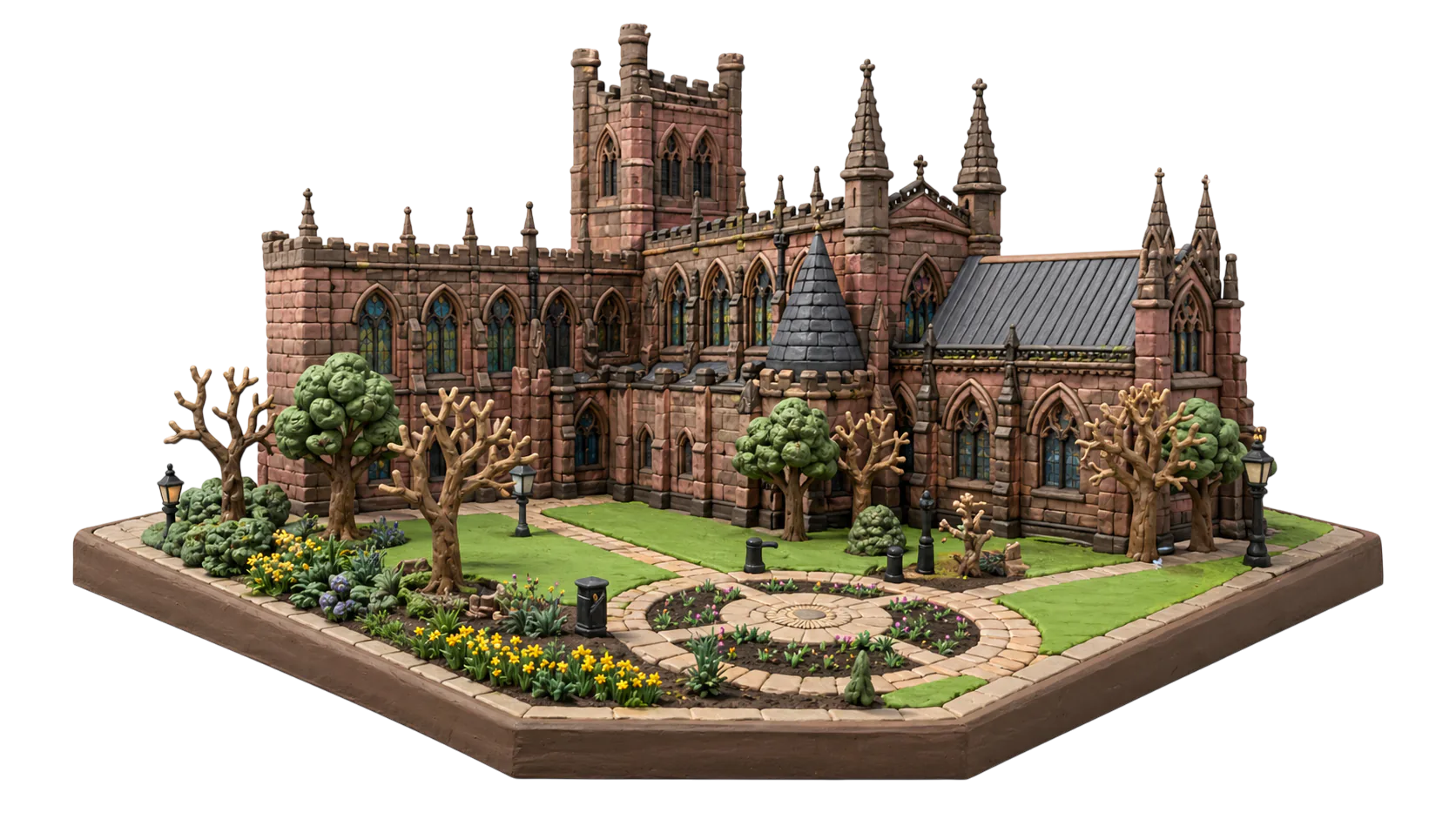
Free volunteer-led introductory tours normally run on set days and times, but check the cathedral’s own listings before you build a day around a specific slot. If one is running when you are there, take it. The guides know the building, and they will point out the things you would otherwise walk straight past: the Chester Imp, the medieval misericord carvings, the painting on a cobweb.
Chester Cathedral — The best free indoor anchor in the centre, especially when the weather turns.
Roman Amphitheatre and Roman Gardens
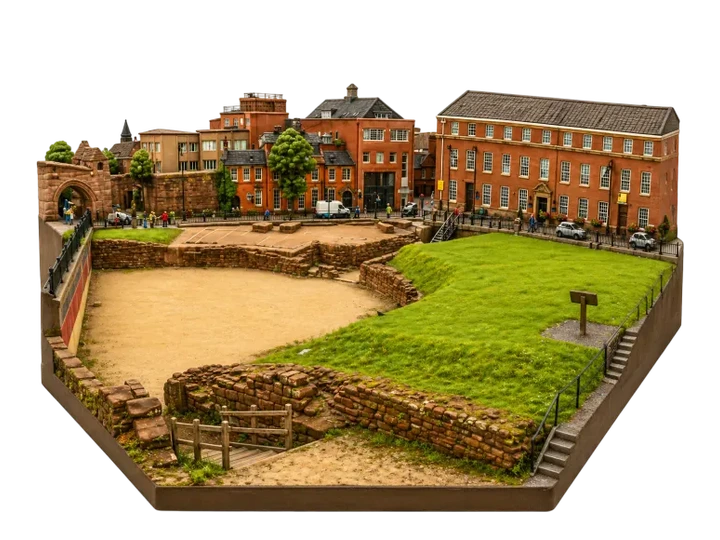
The amphitheatre, just outside Newgate, is the largest Roman amphitheatre uncovered in Britain. It could hold around 7,000 people, and only the northern half is excavated. The southern half lies under buildings on Souters Lane and is not likely to be cleared.
It is a free open-air site you can walk into at any time, with information boards explaining the gladiatorial and military training history. The remains are foundation-level rather than dramatic standing structures, so manage expectations: this is for people who like history more than spectacle. Call it a 20-minute stop.
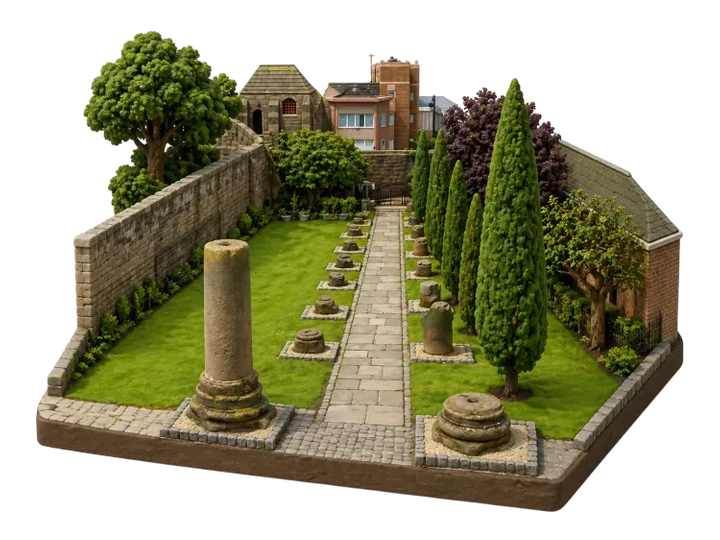
A two-minute walk away, the Roman Gardens run along the inside of the city wall down to the river. They are a free landscaped collection of Roman columns, capitals and fragments salvaged from excavations across the city, arranged in a long, narrow garden between the walls and the path down to the Old Dee Bridge.
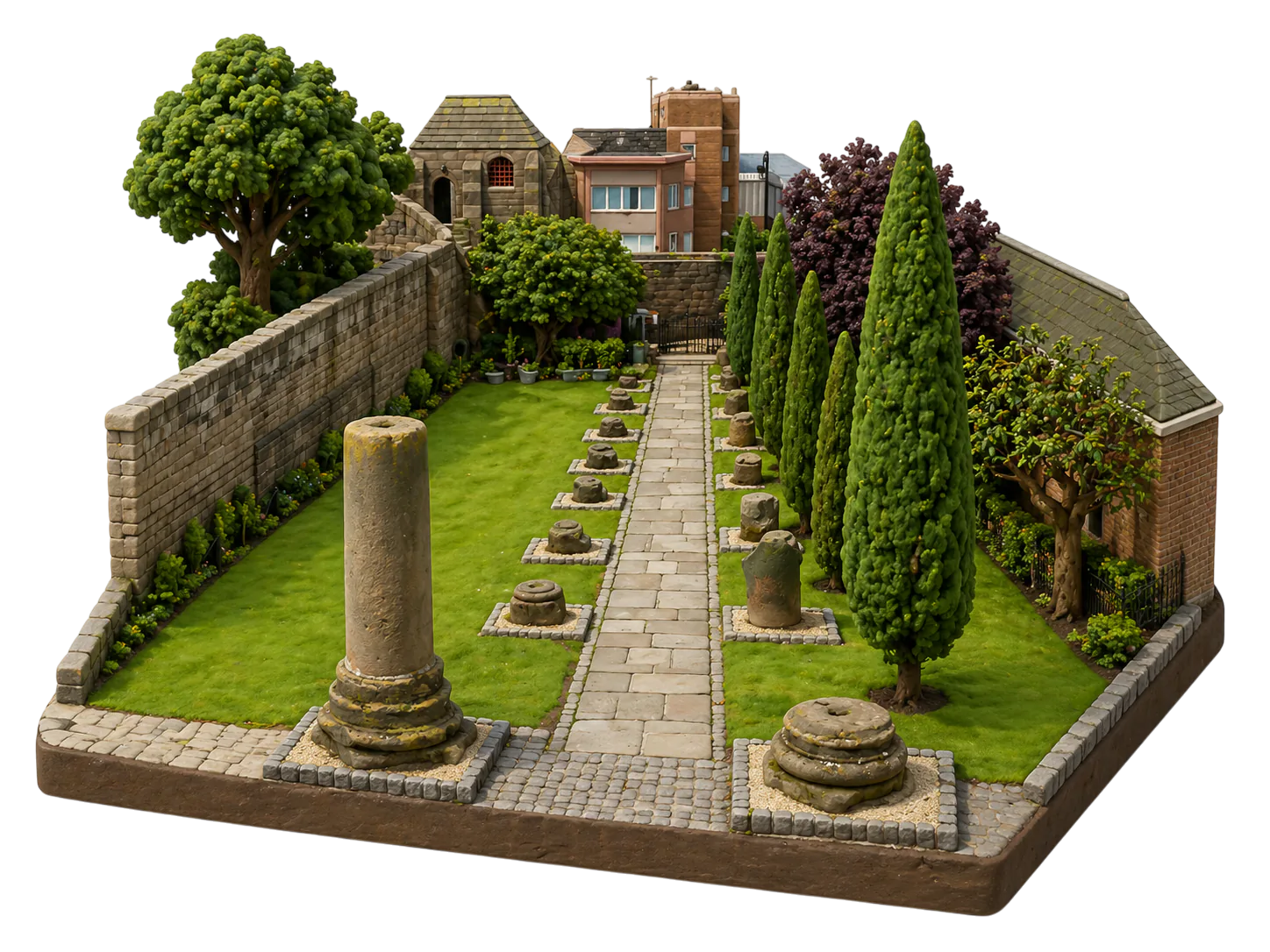
Better as a route than a destination: walk it on your way from the amphitheatre to the Groves.
Chester Roman Amphitheatre — Free and important, but more interesting than spectacular.
The Groves and a Riverside Walk
The Groves is the promenade stretch of the River Dee, lined with Victorian terraces, a bandstand, ice cream vans and rowing boats for hire. It is where Chester goes to sit on a wall and waste a sunny afternoon. Free, obviously.
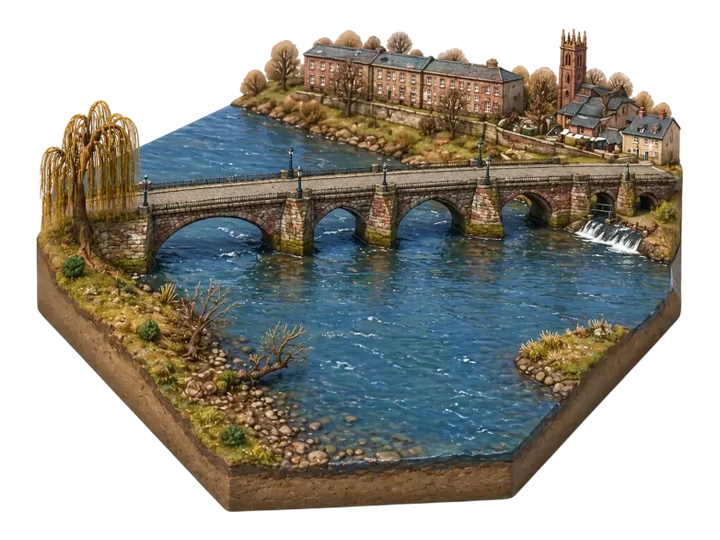
The path continues east along the river past the Meadows, a flood-plain nature reserve with kingfishers, herons and decent dog-walking, and you can stretch a walk out for an hour or more before turning back. Cross the Old Dee Bridge - medieval, sandstone, still carrying traffic - to Handbridge and walk back along the south bank if you want a loop.
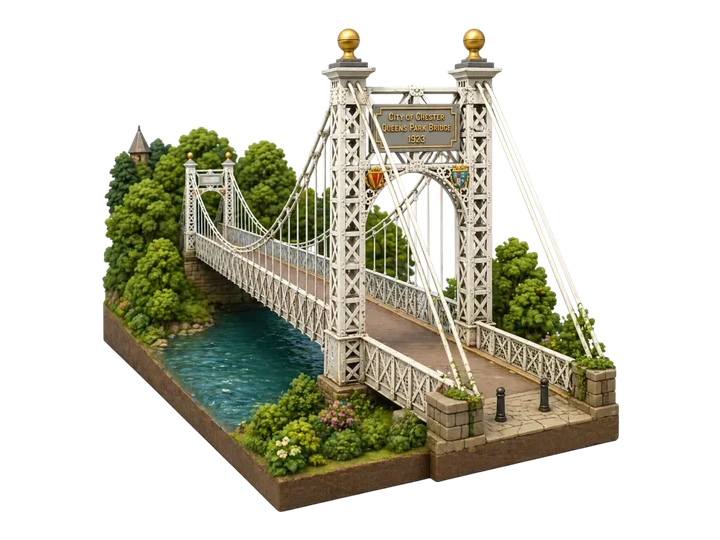
The suspension bridge over to Queen’s Park is the second photo-op everyone takes after the Eastgate Clock.
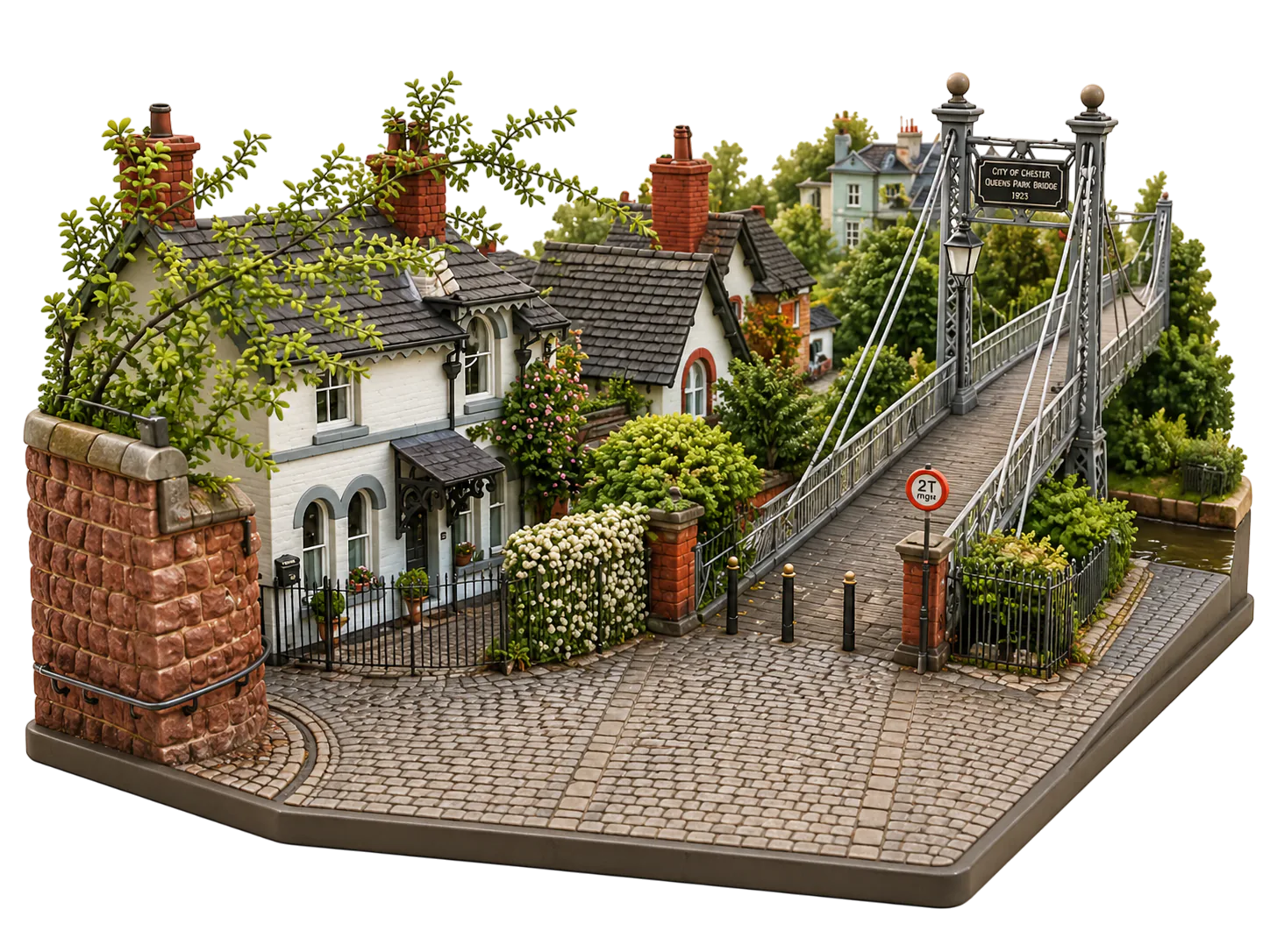
In summer, the Groves bandstand often has free live music on Sunday afternoons. Check the council or event listings before you commit, because seasonal programmes move around.
Grosvenor Park
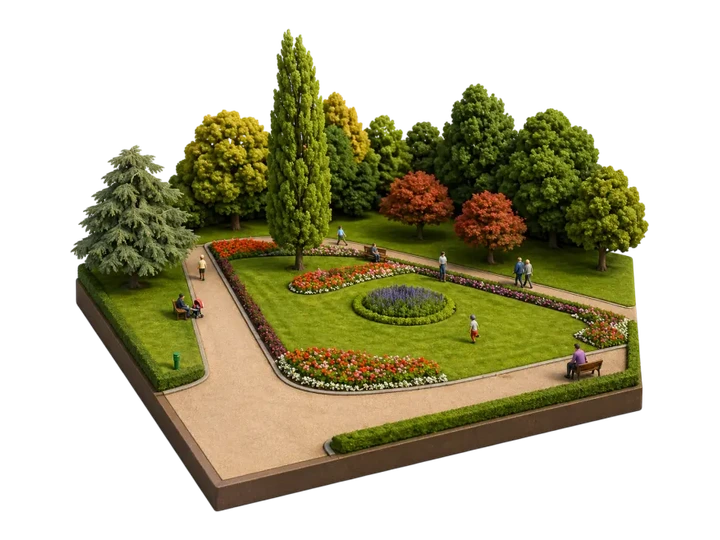
Chester’s Victorian public park sits between the cathedral end of the city walls and the river, about ten minutes from the Cross on foot. Free, gated, well-kept, and considerably underused by visitors who do not know it is there.
There is a serious play area for under-14s, a lake, lawns, a Jacobean-style stone Lodge, and resident grey squirrels who will come close enough to photograph. In summer it hosts Grosvenor Park Open Air Theatre, which is paid, but the park itself remains free.
The miniature railway in the park is currently closed until further notice, so leave it out of family plans for now. The lawns are made for a picnic; pick up sandwiches from the market or something from Northgate Street and use the park as the chair you did not have to buy.
Grosvenor Park — The best free picnic and children-running-around space within easy reach of the centre.
Grosvenor Museum
The Grosvenor Museum on Grosvenor Street is free entry and houses Chester’s significant Roman collection, including the largest collection of Roman tombstones from a single site in Britain. It also has a Period House with room settings from the 17th century to the 1920s, a natural history gallery, and a silver collection.
It is normally open Tuesday to Saturday 10.30am to 5pm, and Sunday 1pm to 4pm, closed Monday. Check before you set off, especially around bank holidays or special exhibitions.
A 90-minute visit is right for most people. The Roman gallery is the headline; the Period House is the surprise. It is not flashy and it has not been refurbished into a touchscreen palace, but the collection is serious.
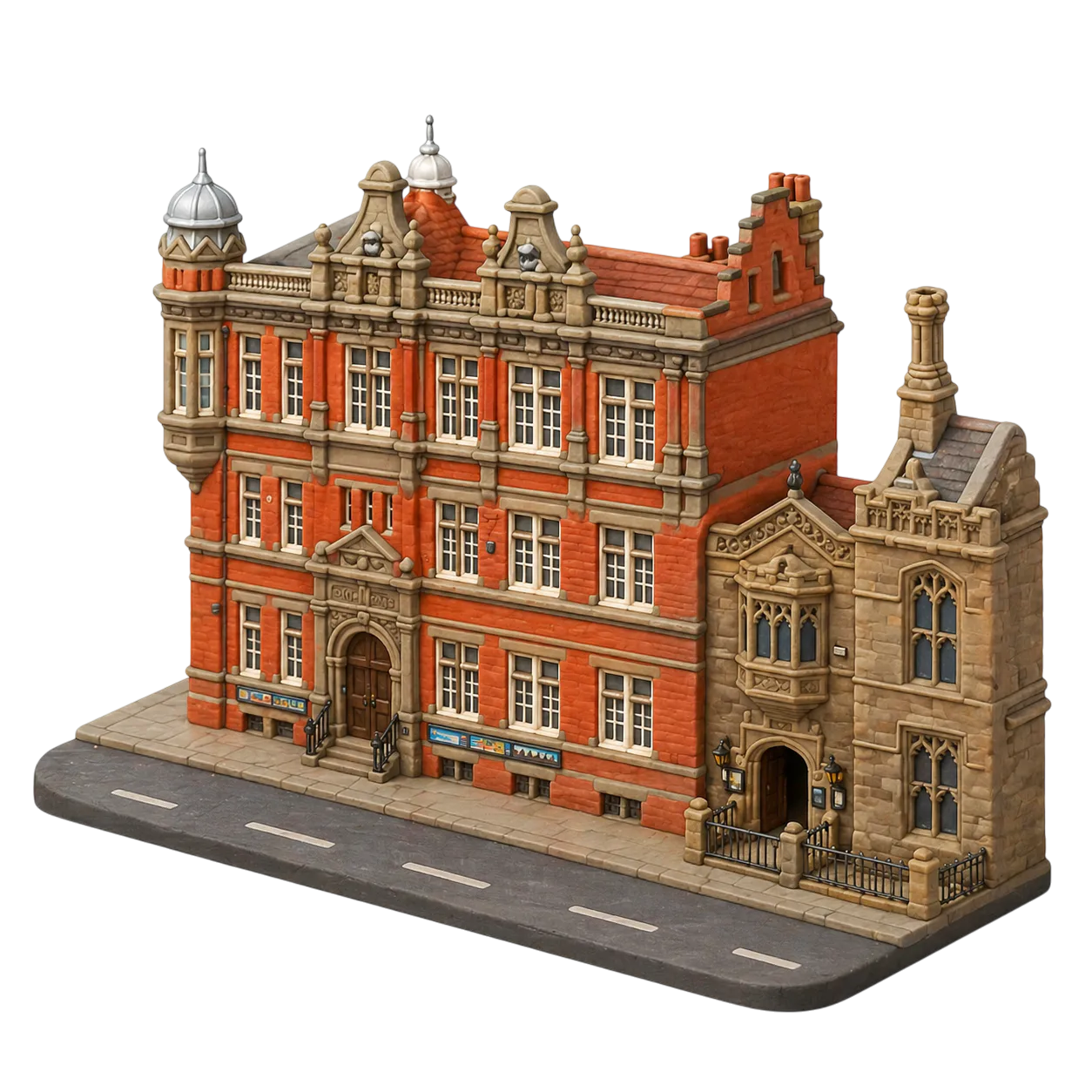
The Grosvenor Museum — Best for Roman tombstones, the Period House, and a dry hour when the weather has opinions.
Storyhouse and the Free Library
Storyhouse on Hunter Street is theatre, cinema, restaurant and library in one converted Odeon building. The library section is free, fully staffed, full of books, has comfortable seating, free Wi-Fi, and the cafe-bar is open to library users without buying anything.
It is a brilliant rainy-hour parking spot. There are also free family activities throughout school holidays, and the building’s exhibitions in the upstairs spaces are generally free to walk through. If you want to feel like a local rather than a tourist for an hour, this is where to do it.
Storyhouse — Free library, seats, Wi-Fi, exhibitions and a proper civic-building feel.
Eastgate, the Cross and the High Cross
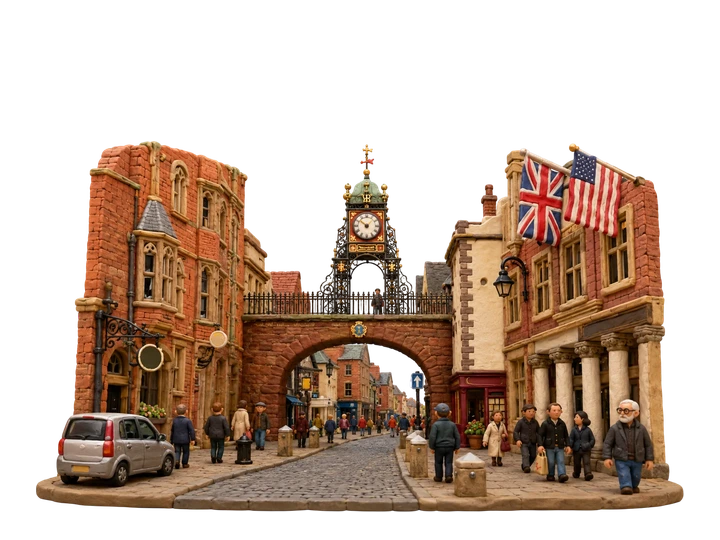
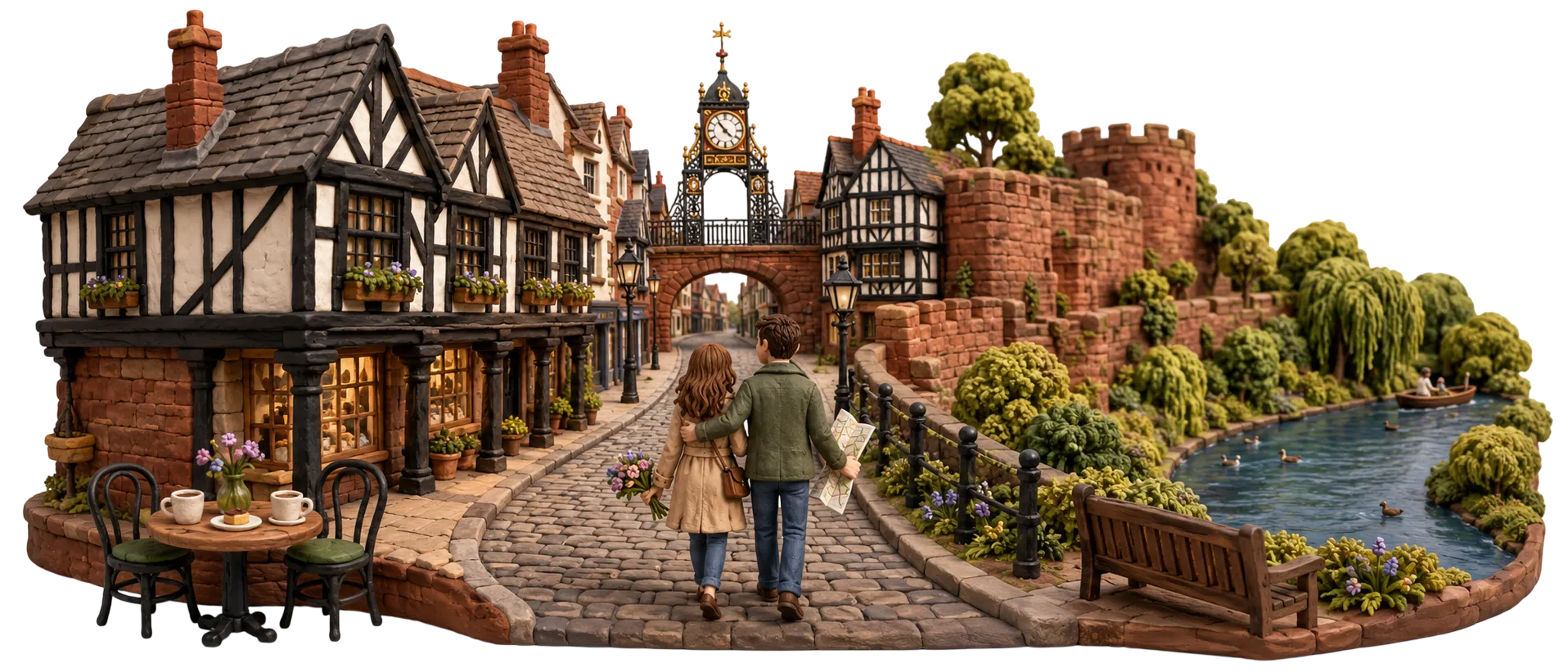
Eastgate Street is the central drag and the Eastgate Clock - the wrought-iron clock on top of the Eastgate arch over the city walls - is the most photographed clock in England after Big Ben, according to the claim everyone repeats and nobody ever quite pins down. It is free to stand under and free to photograph. It was installed in 1899 to mark Queen Victoria’s 1897 Diamond Jubilee.
A few hundred metres west, the Cross is the central junction where the four main Roman streets meet, marked by the High Cross, a restored medieval sandstone monument.
In summer, usually June to August and weather permitting, the Town Crier still does free public proclamations from the Cross around midday Tuesday to Saturday. Race days can shift the time. It is old-fashioned, completely free, and surprisingly entertaining if you have never seen one.
Eastgate Clock — The obvious photo, but still worth doing. Everyone takes it for a reason.
Window-Shop the Independents
Chester has a stronger independent retail scene than its chain-store reputation suggests, and walking through it costs nothing.
The Cheese Shop on Northgate Street is one of the best independent cheesemongers in the country. Just round the corner, the indoor Chester Market, relocated to the Northgate development, is worth a wander for the food stalls and bakery counters. Watergate Street has a cluster of antique and gallery spaces.
Hoole, a ten-minute walk from the train station and outside the city walls, is the independent strip locals send people to: secondhand bookshops, vintage clothes, a serious deli, and one of the better independent coffee roasters in the region.
A Free Day-Long Itinerary
For a single day at no attraction cost, start with coffee on or near the walls, then do the full two-mile circuit anti-clockwise from Eastgate. Drop off at Newgate for the amphitheatre and Roman Gardens. Walk down to the Groves and out along the river to the Meadows. Loop back through Grosvenor Park to the city.
Lunch on a bench somewhere with a sandwich from the market. Spend the afternoon at the cathedral, ideally catching a free tour if one is running, then the Grosvenor Museum, then the Rows. End on the Eastgate Clock at golden hour for the photograph.
That is a full day, eight or nine miles on foot, and you will have seen more of Chester than most weekend visitors who spent 150 pounds each.
Frequently Asked Questions
What is the best free thing to do in Chester?
Walk the City Walls. They are central, open-access, almost two miles long, and give you the best overview of how the city fits together.
Is Chester Cathedral free?
For much of the year, yes, though the cathedral charges a small entrance fee during peak summer and Christmas periods. Donations are encouraged. Check the cathedral’s current visit page before travelling.
Is the Grosvenor Museum free?
Yes, the Grosvenor Museum is free entry. It is usually closed on Mondays and open Tuesday to Sunday, with shorter Sunday hours.
Can you do Chester cheaply for a full day?
Yes. A free day can include the City Walls, the Rows, Eastgate Clock, the Roman Amphitheatre, Roman Gardens, the Groves, Grosvenor Park, Chester Cathedral, the Grosvenor Museum and Storyhouse. Your main costs are food, drink and getting there.
What should you skip on a free day in Chester?
Skip anything that turns the day into a paid attraction crawl: river cruises, the cathedral tower tour and Chester Zoo. They can all be good, but they are not needed for a strong free day in the city centre. The miniature railway in Grosvenor Park is currently closed until further notice.