Chester is very good at hiding its oddness in plain sight.
The standard guide will send you to the Eastgate Clock, the Rows, the city walls, and the Cathedral. Fair enough. They deserve the attention. But they are not, by any sensible definition, unusual.
This list is for the other Chester: the coffin fixed high into a ruined church wall, the pub that appears to have declared war on the modern world, the Tudor carvings everyone walks past, the steps you are supposed to run up while holding your breath, and the tiny details that make the city stranger the longer you look at it.
Most of these are free to see. Some are legends. Some are properly documented. A few are both, which is usually where Chester is at its best.
Chester rewards people who look up, look down, and stop treating old buildings as background scenery.
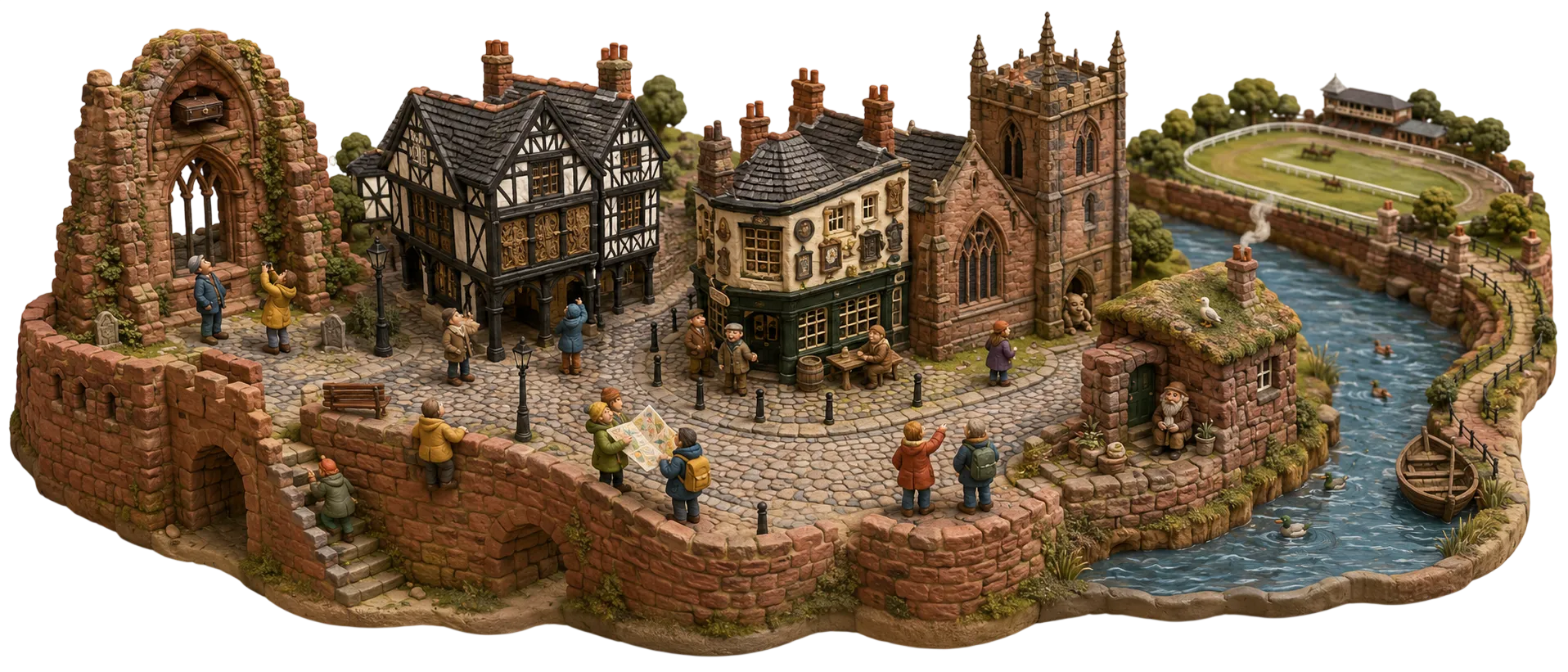
The Coffin in the Wall at St John’s
Just outside the city walls, behind the Roman Amphitheatre, sits the half-ruined Church of St John the Baptist. It is one of Chester’s oldest Christian sites, with a long history of grandeur, collapse, rebuilding, and general architectural misfortune.
Walk through the ruined east end and look up.
Set high into the wall is a wooden coffin. Not a symbolic carving. Not a tasteful memorial panel. A coffin. It is mounted vertically in a Gothic arch, several metres off the ground, with the words “Dust to Dust” on the front.
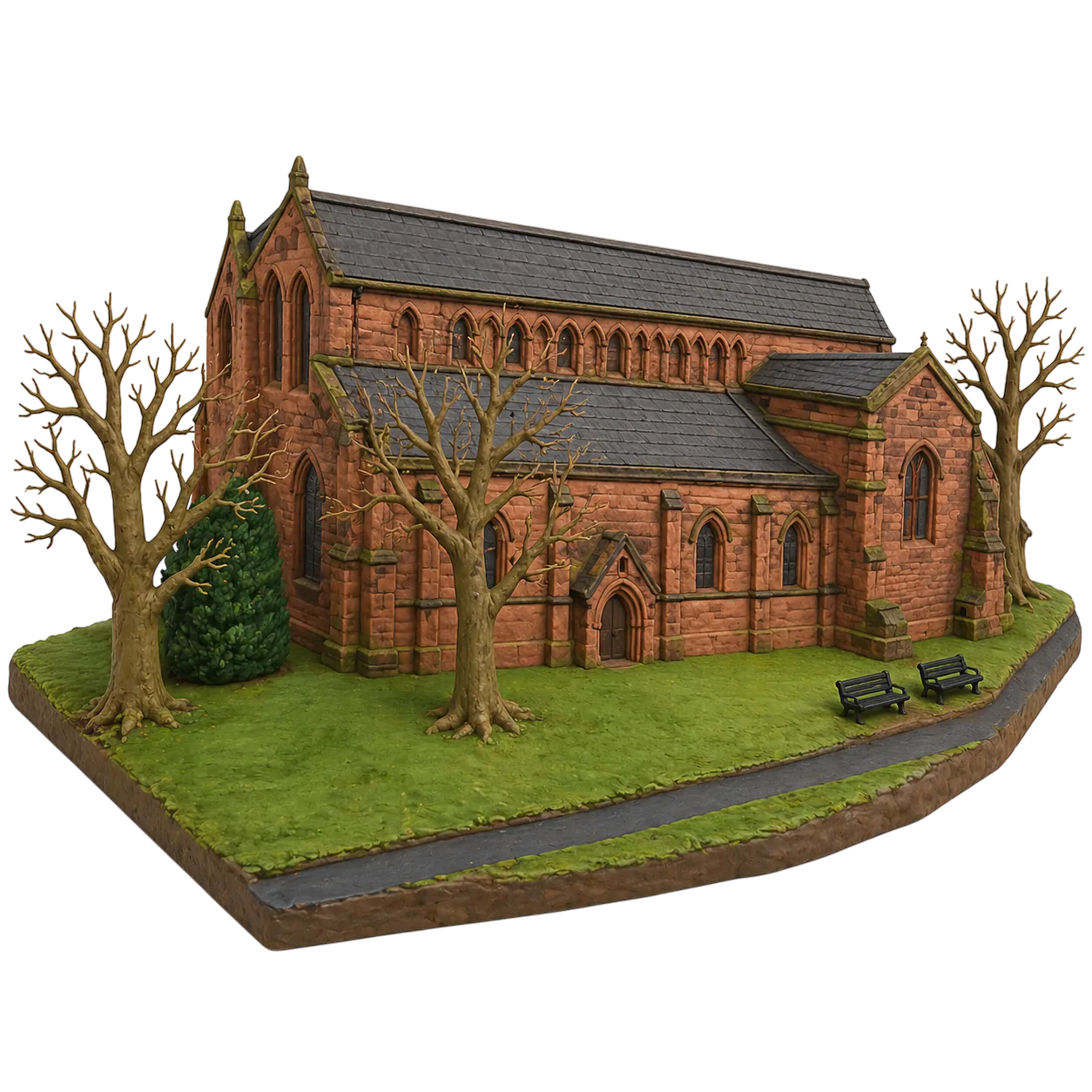
There are several stories about how it got there, because Chester likes to give you options. One says it contains a murdered monk who was denied a proper burial. Another says it holds a clergyman who wanted to be buried standing up so he could be first on his feet at the Resurrection. Another gives the Devil a role, because of course it does.
The more practical explanation is that the coffin was found during 19th-century grave digging and later placed into the ruined wall. This is less dramatic, but still leaves you standing in a ruined medieval church looking at a coffin halfway up a wall, so nobody has really lost out.
It is free to see, close to Newgate, and easy to miss if you only look at the working church rather than the ruins.
Parish Church of St John the Baptist, Chester — Older than the Cathedral, free to visit, and far stranger if you remember to look up in the ruined east end.
The Albion Inn
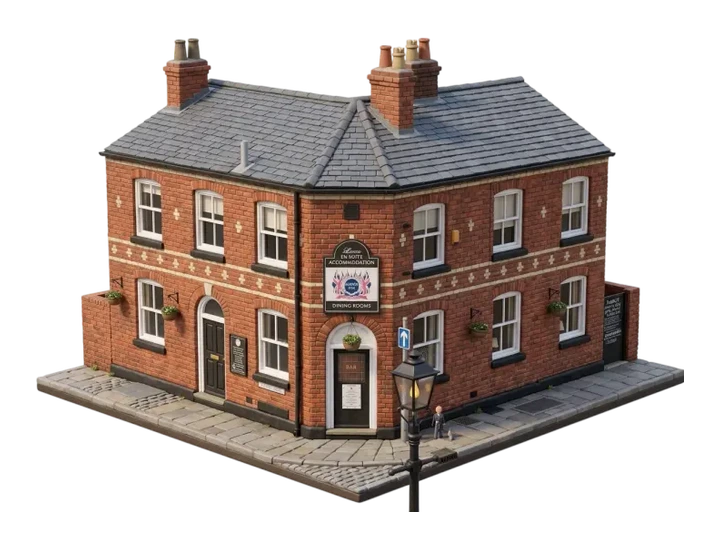
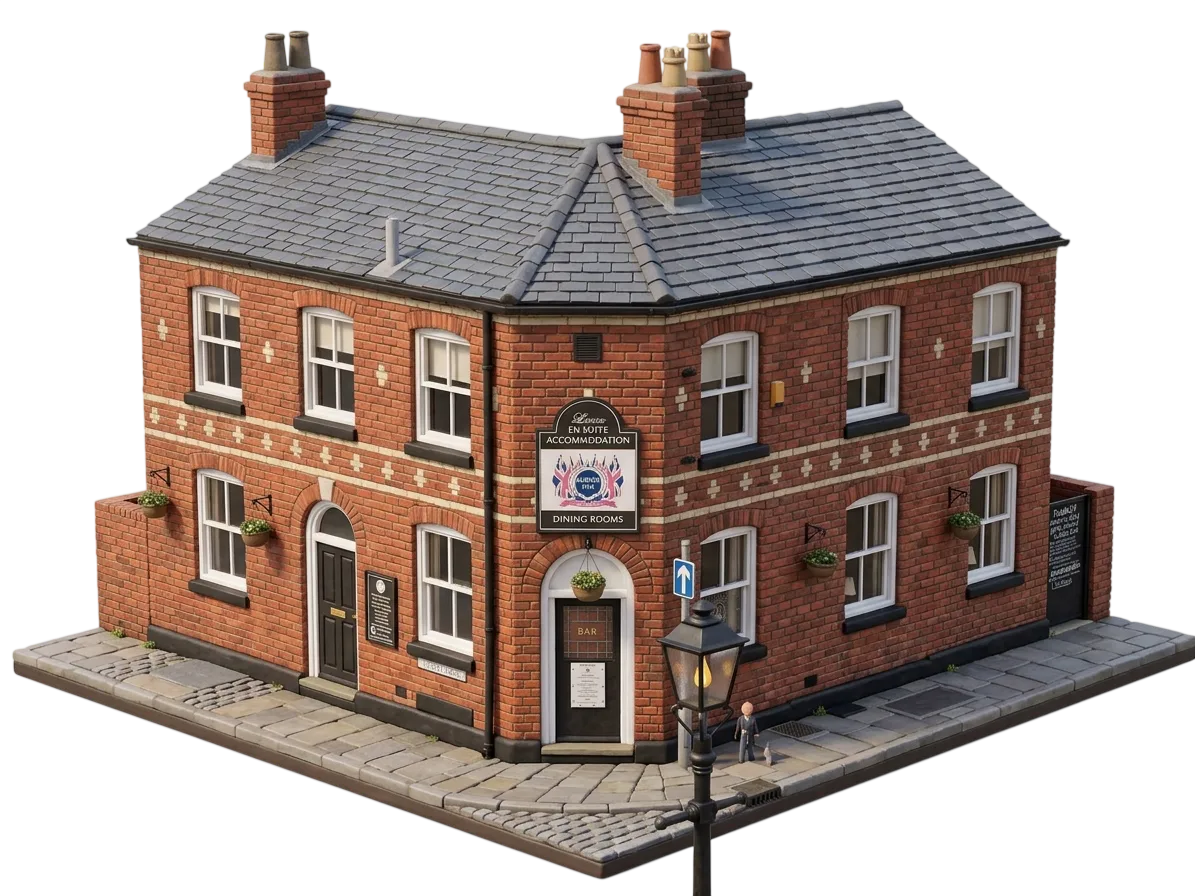
Down Park Street, close to the city walls, is The Albion Inn: a pub that has not so much resisted modernisation as reported it to the authorities.
The signs outside do a lot of the work. No hens. No stags. Definitely no children. No chips. No music. No fruit machines. No big screens. It is not trying to be all things to all people, which is probably why people love it.
Inside, The Albion is an Edwardian time capsule filled with First World War memorabilia, old posters, flags, military objects, enamel signs, and the sort of atmosphere most themed pubs try very hard to fake and fail. The menu leans into the whole thing too, with properly old-fashioned pub food rather than a laminated tour of beige.
The late landlord Mike Mercer shaped much of the pub’s reputation, and the place still feels like it is being run according to a very specific set of principles. Whether you find that magical or slightly severe will depend on your tolerance for pubs with rules. TTDC is broadly in favour of pubs with rules, especially when the beer is good.
Check opening times before making a special trip, because The Albion keeps traditional pub hours and is not open all day, every day. Also, bring an adult. They are quite clear on that bit.
The Albion Inn — A proper Chester institution for people who like pubs with rules, history and backbone.
The Wishing Steps
Built into the south-east corner of Chester’s city walls is a steep, awkward set of stone steps known as the Wishing Steps.
The folklore says that if you can run up the steps, back down, and up again without taking a breath, your wish will come true. A more specific version says an unmarried woman who manages it will get the husband she wants.
This may say more about old Chester dating advice than about lung capacity, but there we are.
The steps are steeper than they look, uneven in just the right way to make the challenge unpleasant, and not something we would recommend attempting after lunch, before lunch, or during any period in which you value your ankles.
Still, they are free, they are part of the walls, and they give you one of those small Chester stories that is much better than another photograph of the Eastgate Clock.
Chester City Walls — The Wishing Steps sit on the wall circuit, near the south-east side of the city.
The Painting on a Cobweb
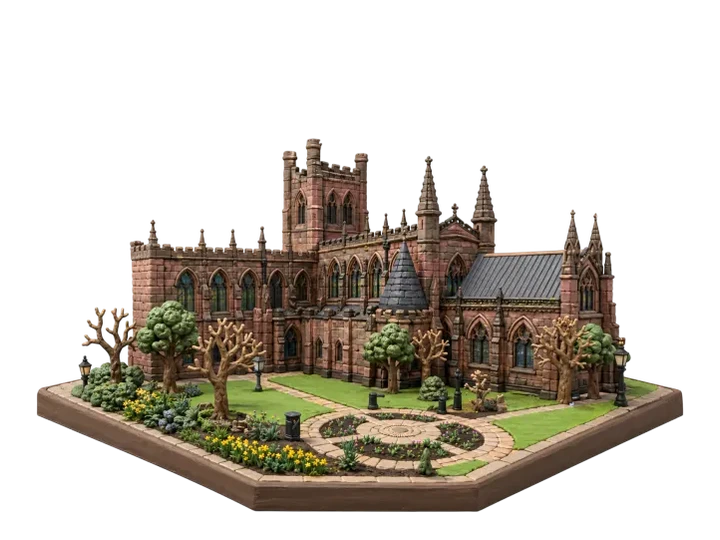
Chester Cathedral has plenty of obvious things to look at: medieval woodwork, cloisters, stained glass, stone vaulting, and the general feeling that someone has been rearranging the building for about a thousand years.
Less obvious is the cobweb painting.
The Cathedral has, in its collection, a rare 19th-century painting made on an actual spider’s web. It shows the Virgin and Child and belongs to a very delicate tradition of cobweb painting associated with parts of central Europe. Very few survive, mainly because “painted spider’s web” is not a phrase that suggests long-term durability.
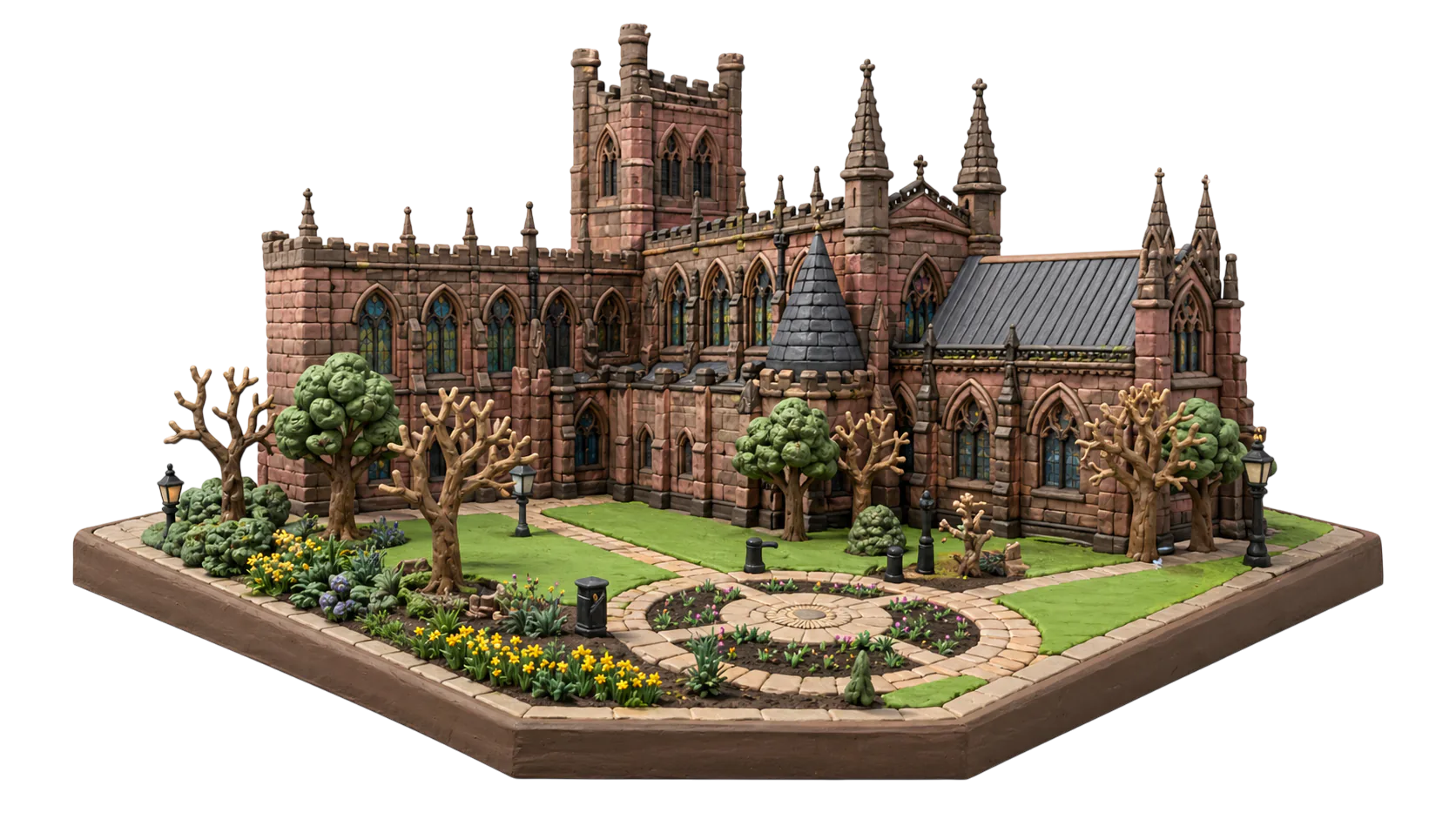
The catch is that it is not always on display. Ask at the Cathedral when you arrive rather than marching around expecting it to be waiting under a spotlight.
While you are there, ask about the Chester Imp too: a small carved figure tucked high inside the building. Like all good church oddities, it is much easier to appreciate when someone who knows where it is points it out before your neck gives up.
Chester Cathedral — Go for the big building, then ask about the small strange things: the cobweb painting and the Chester Imp.
Bishop Lloyd’s Palace
Watergate Street is full of buildings that deserve more attention than they get, but Bishop Lloyd’s Palace is the one that really rewards standing still and looking up.
The upper storeys are covered in carved timber panels: biblical scenes, classical figures, strange beasts, decorative flourishes, and the odd naked figure that makes you wonder how much fun the carvers were having. It is one of the finest facades in Chester, and somehow still gets less attention than buildings with bigger queues and better postcards.
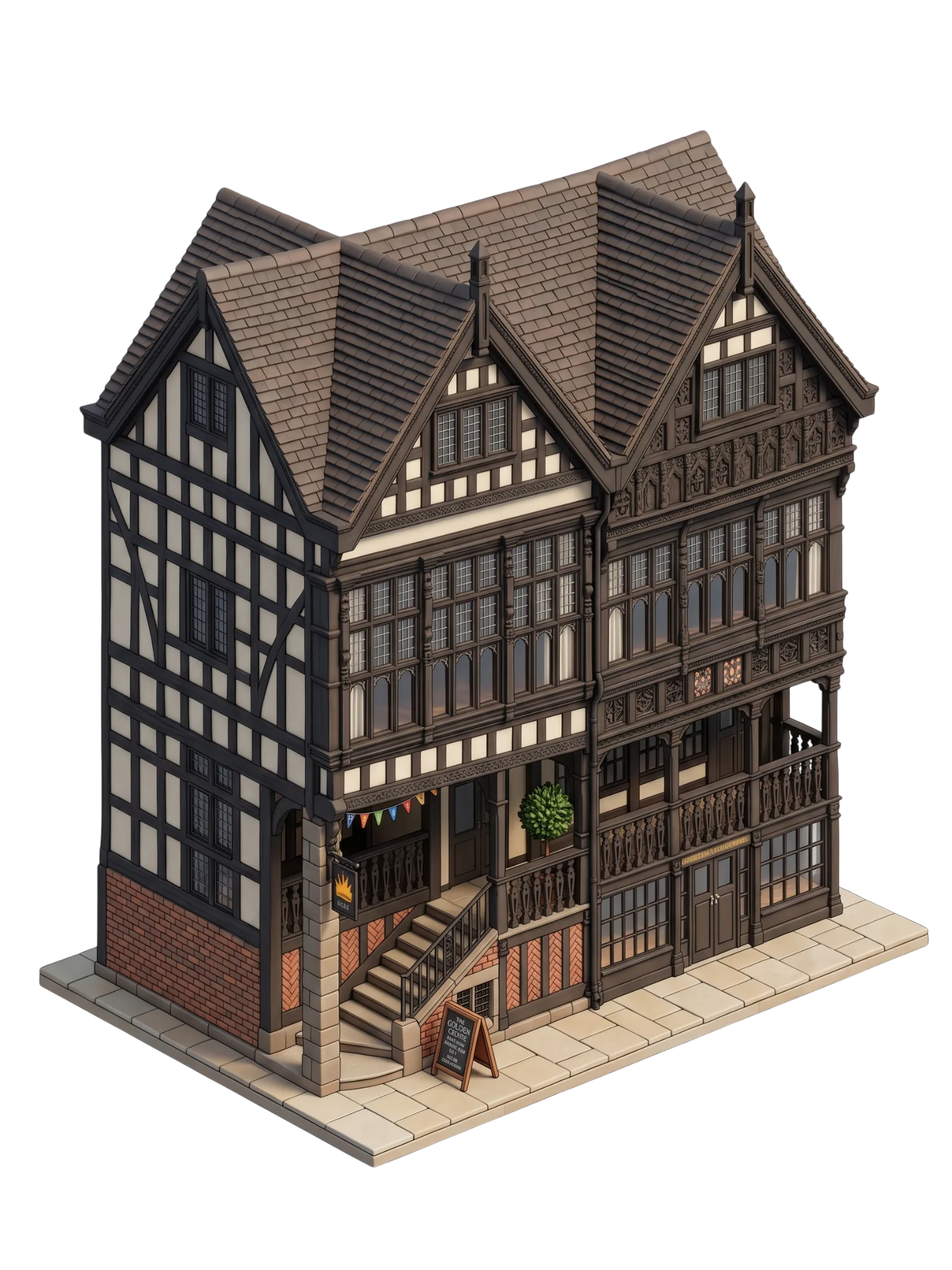
The house is associated with George Lloyd, Bishop of Chester in the early 17th century, though most people will care less about the ownership history and more about the astonishing amount of carving above their heads.
The exterior is the thing to see, and it is free. The interior is not generally open as a normal visitor attraction, though it sometimes appears as part of heritage events. For most people, the best visit is simply to stand opposite, look properly, and notice how much detail they nearly walked past.
Bishop Lloyds Palace — Free to admire from Watergate Street, especially if you slow down and look at the carved upper storeys.
God’s Providence House
A few doors along Watergate Street is God’s Providence House, a narrow timber-framed building with one of Chester’s best inscriptions:
“God’s Providence is mine inheritance.”
The traditional story says the people inside survived a plague outbreak that killed others nearby, and the inscription was added in thanks. As with many old Chester stories, the dates and details get a bit slippery if you press them too hard. Some versions point to one outbreak, some to another, and the inscription itself appears to have its own timeline.
Does that matter? A little. But not enough to spoil it.
It is still a striking old frontage, still free to look at, and still one of those small stops that makes Watergate Street more interesting if you are not just using it as a route to somewhere else.
The Roodee
Chester Racecourse is not unusual because it has horses on it. Plenty of places do that.
It is unusual because the Roodee sits on what was once part of Roman Chester’s harbour. The River Dee silted up over centuries, the old harbour disappeared, and the flat land eventually became a racecourse. Chester is often described as the oldest racecourse still in use, with racing going back to the 16th century.

On a race day, the Roodee is all crowds, suits, dresses, drinks, and people making confident statements about horses they have never heard of. On a non-race day, it is quieter and arguably stranger. From the city walls, you can look down at the empty oval and try to imagine Roman boats where the finishing straight now sits.
There are usually a limited number of race days each year, mostly in the warmer months. The rest of the time, the view is free, open, and one of the best ways to understand how oddly layered Chester really is.
Chester Racecourse — Best understood from the walls on a non-race day, when the shape of the old Roodee is easier to read.
Sick to Death
Sick to Death is exactly what you would expect from a medical museum in a converted church on Bridge Street, if what you expected was plague, poo, blood, surgery, body parts, and children learning things while pretending they are not learning things.
It is a museum of medicine with a black sense of humour, which is the correct sense of humour for a museum about historical medicine. Expect plague doctors, grim cures, bodily functions, and interactive exhibits that will delight younger visitors and mildly alarm the adults paying for them.
It is not subtle, but neither was medieval healthcare.
Check current opening times and ticket prices before visiting, as these things change. It is a good wet-weather option, though “wet-weather option” feels a bit polite for somewhere that may teach your children about historical diarrhoea.
Sick To Death — One of Chester's stranger paid attractions, especially useful when the group wants grim history indoors.
The Hole in Wand
The Hole in Wand, on Eastgate Street, is wizard-themed crazy golf with potions, effects, and a full commitment to the bit.
It is silly, but knowingly silly. There are nine holes, a magical theme, and enough theatrical nonsense to make it work. Chester can be quite serious about its Romans, its walls, and its heritage, so there is something pleasing about finding a wizard golf course tucked into the middle of it all.
This is not ancient Chester. This is not hidden history. It is, however, unusual, indoors, and more entertaining than pretending everyone in your group wants another cathedral fact.
The Hole In Wand Chester — Wizard mini golf in the middle of Eastgate Street. Not historic, still useful.
The Anchorite’s Cell
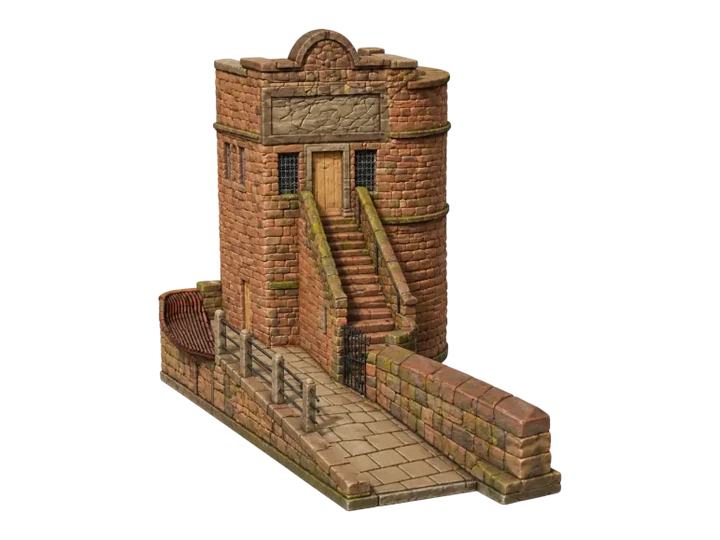
Down by the Old Dee Bridge, near the river, is a tiny medieval hermit’s cell partly cut into the sandstone.
Local tradition links it with King Harold, who supposedly survived the Battle of Hastings, made his way to Chester, and lived out his final years here as a blind hermit. The official history of 1066 has other ideas, and the evidence for the Chester version is extremely thin.
Still, the cell itself is real, and the story is exactly the kind of half-believable local legend that Chester does well. It is small, easy to miss, and much more interesting if you know what you are looking at.
Do not come expecting a grand attraction. Come expecting a strange little survival by the river with a story attached that may or may not be doing quite a lot of heavy lifting.
Stanley Palace
Stanley Palace sits on Watergate Street, opposite the Crowne Plaza, looking like it has been designed specifically for ghost tour posters.
It is an Elizabethan timber-framed house built in the late 16th century, and it is one of the city’s most handsome old buildings. Naturally, this means it has also attracted plenty of ghost stories.
The most familiar tale involves James Stanley, 7th Earl of Derby, who was executed in 1651. As with many haunted-building stories, the connection is not quite as tidy as the tours would like it to be, but that has rarely stopped a good ghost story from getting comfortable.
The building hosts events from time to time, including heritage and paranormal evenings, so interior access depends on what is on. The exterior is free to admire, and it is well worth pausing for even if you do not believe a word of the haunting business.
Minerva’s Shrine
If you want a genuinely unusual Roman survival, walk out towards Edgar’s Field in Handbridge.
Set into the sandstone is a Roman shrine to Minerva, goddess of wisdom, crafts, and strategic warfare. Chester has no shortage of Roman remains, but this one feels different: quiet, carved into the rock, and away from the main tourist loop.
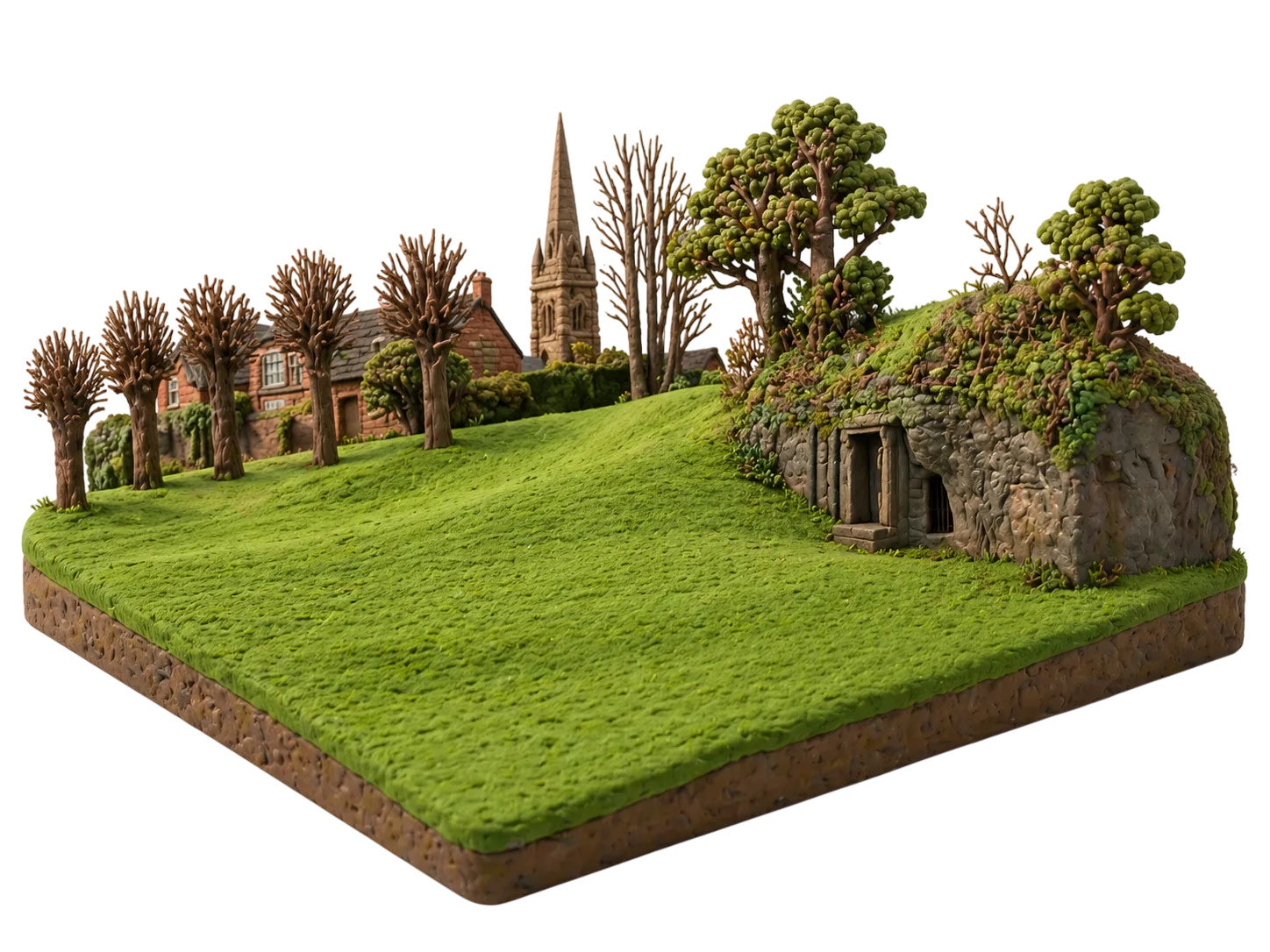
It is easy to overlook because it is not presented with the drama people expect from Roman history. No grand columns. No reconstructed soldiers. No immersive battle noises. Just a weathered carving in the sandstone, sitting where it has sat for a very long time.
That is the appeal.
Pair it with a walk over the Old Dee Bridge, a look at the river, and possibly a smug comment about having found something in Chester that is both genuinely Roman and not the amphitheatre.
Things That Get Called Unusual but Really Are Not
A few Chester sights often get shoved into “unusual things to do” lists because people run out of ideas.
The Eastgate Clock is wonderful, but it is not unusual. It is the thing everyone photographs.
The city walls are brilliant, but they are not hidden.
The Rows are special, but they are the headline act.
The Cathedral is absolutely worth visiting, but calling it unusual is doing some fairly loose work with the word.
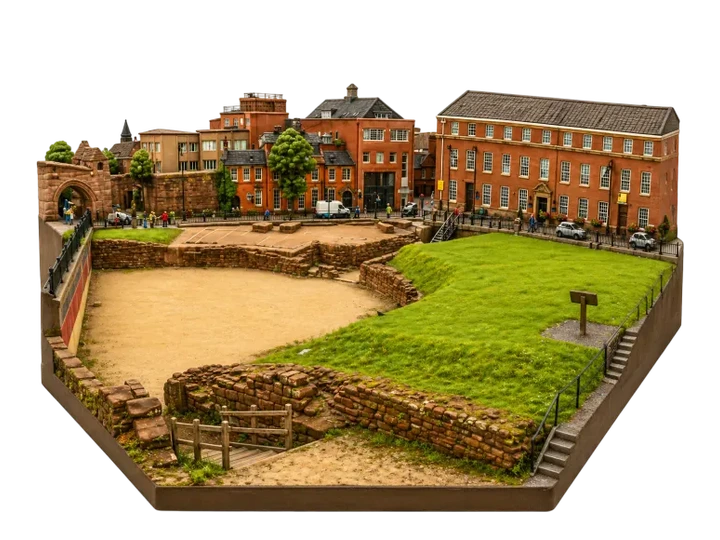
The Roman Amphitheatre is important and genuinely worth seeing, but manage your expectations. It is the excavated remains of an amphitheatre, not a standing Colosseum with better parking.
That does not make any of these places bad. Quite the opposite. They are just not what this list is for.
A Half-Day Route Through Chester’s Stranger Side
Start at St John’s ruins and find the coffin in the wall. From there, walk to the Wishing Steps and decide whether your wish is worth the oxygen debt.
Carry on along the walls towards the Roodee and look down over the racecourse from above. Drop towards the Old Dee Bridge for the Anchorite’s Cell, then cross towards Handbridge if you want to add Minerva’s Shrine.
Loop back up through Lower Bridge Street and Park Street, saving The Albion for later if it is not open yet. Then head to Watergate Street for Bishop Lloyd’s Palace, God’s Providence House, and Stanley Palace.
Finish at the Cathedral and ask about the cobweb painting and the Chester Imp. If the Albion is open by then, end there with a pint and the satisfying knowledge that you have seen a stranger version of Chester than most visitors manage.
The good stuff is often three metres above eye level, carved into a wall, tucked beside a river, or sitting in plain sight while everyone else walks past looking for the clock.
Frequently Asked Questions
What is the most unusual thing to see in Chester?
The coffin set high into the ruined wall at St John’s is one of the strangest free sights in the city. Bishop Lloyd’s Palace, the Wishing Steps, The Albion and Minerva’s Shrine are also strong contenders.
Are Chester’s unusual sights free?
Many are free to see from the street or public paths, including St John’s ruins, the Wishing Steps, Bishop Lloyd’s Palace exterior, God’s Providence House, the Roodee view, the Anchorite’s Cell and Minerva’s Shrine. Sick to Death and The Hole in Wand are paid attractions.
Where is the coffin in the wall in Chester?
It is in the ruined east end of St John the Baptist Church, near the Roman Amphitheatre and just outside the city walls.
Is The Albion Inn really that strict?
Yes, in the best possible way if you like traditional pubs. Expect house rules, no children, no big screens, no music, no chips, and a strong sense that the pub knows exactly what it is.
Can you do these unusual Chester sights in half a day?
Yes. Start around St John’s and the walls, continue towards the Roodee and river, then loop back through Park Street, Lower Bridge Street, Watergate Street and the Cathedral.