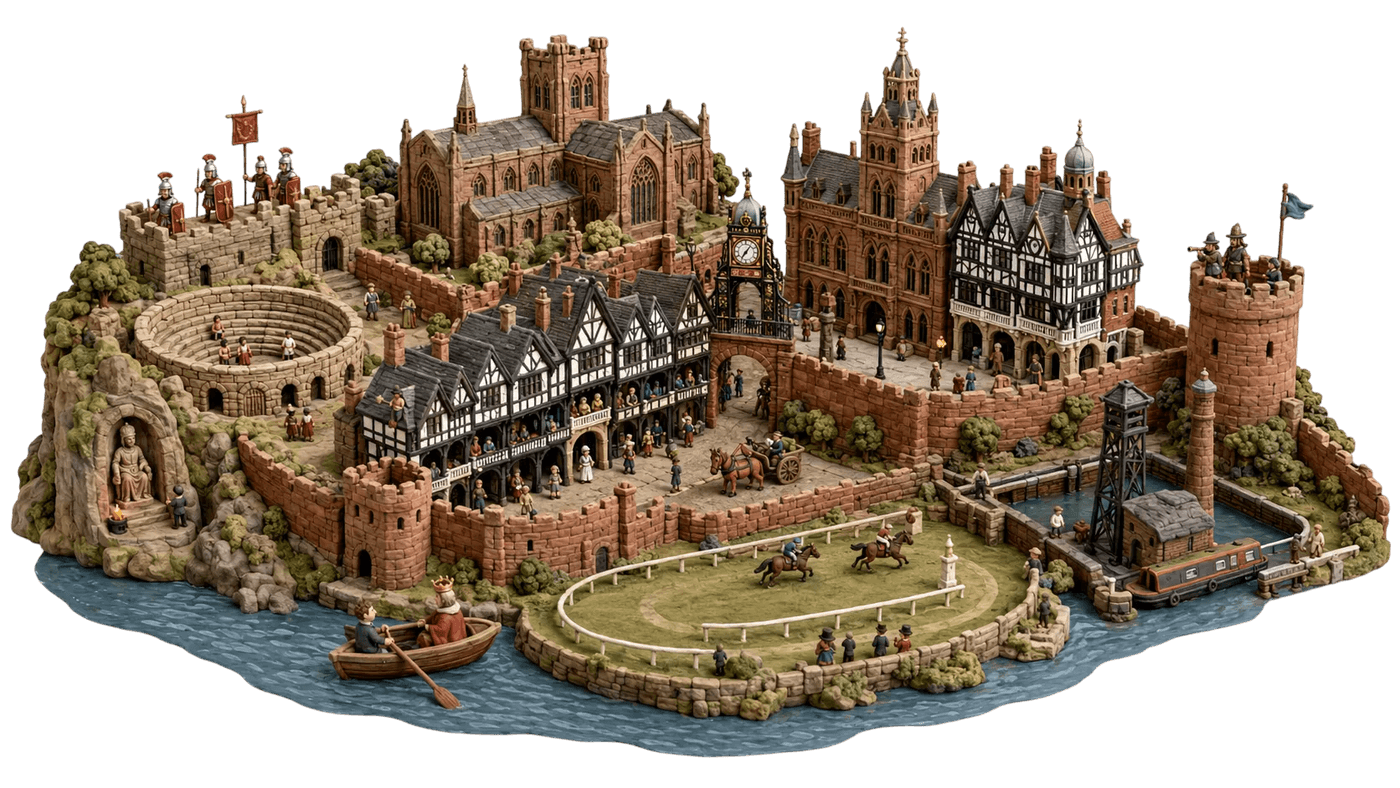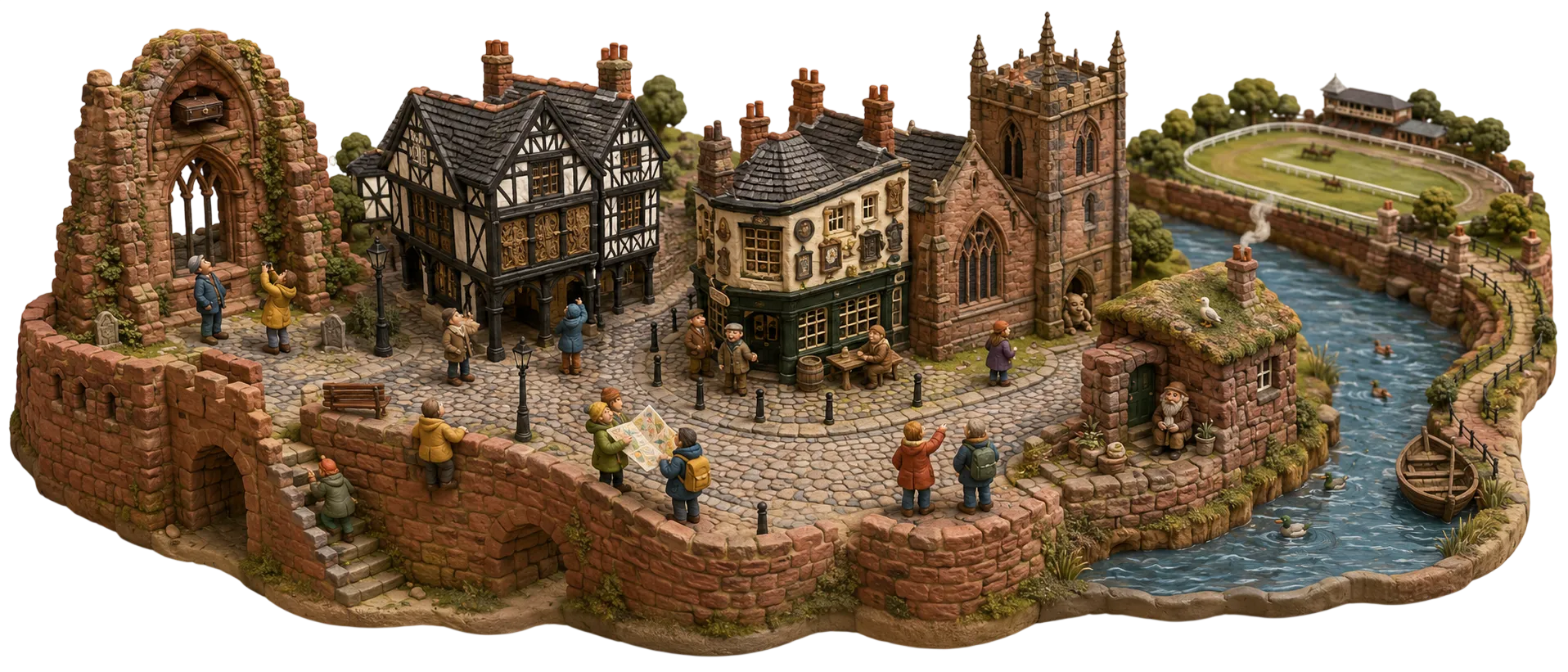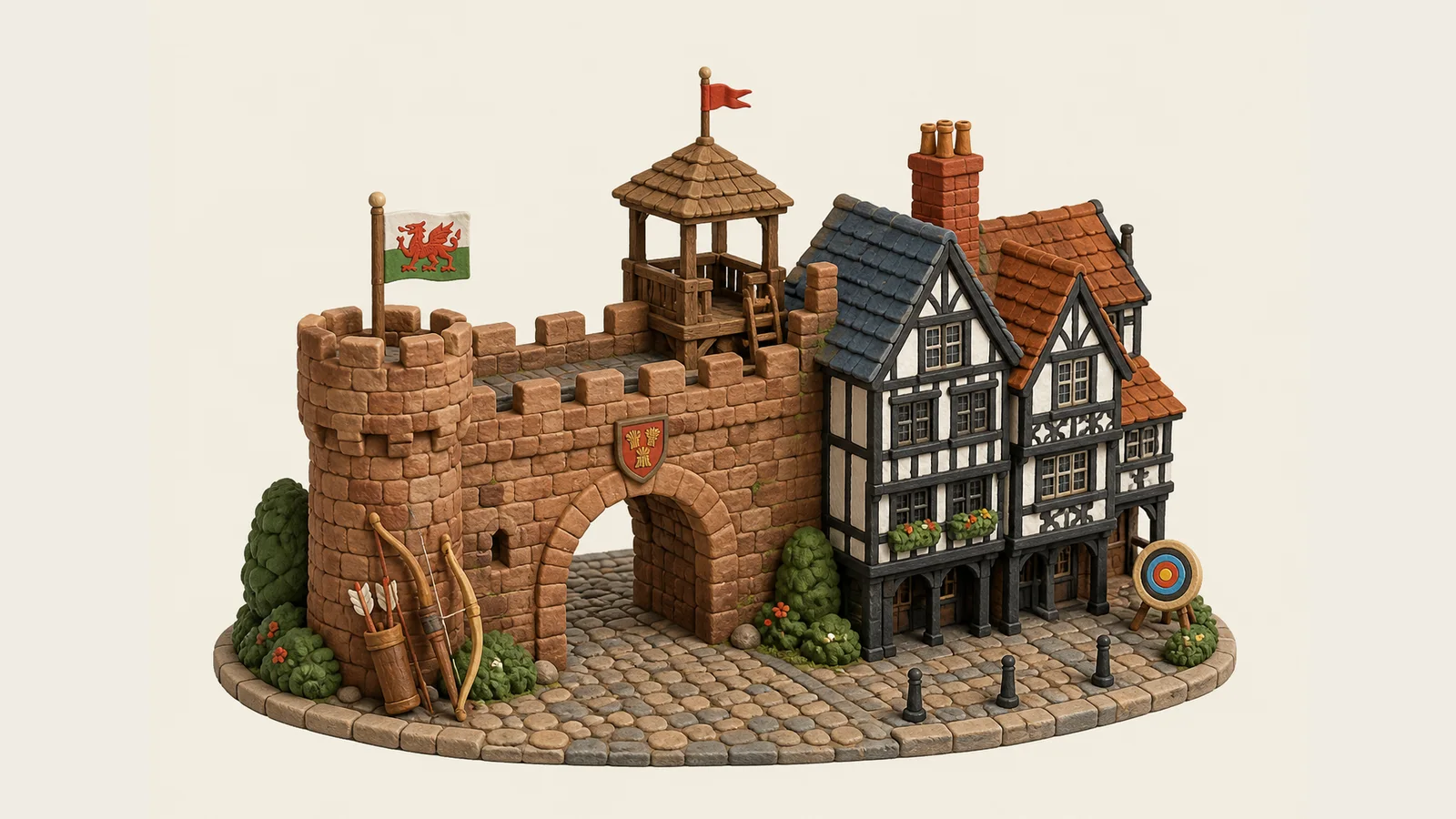
No. You cannot shoot a Welsh person in Chester, whether the version you heard involved a longbow, a crossbow, midnight, Sunday, the city walls or somebody in a pub being very sure of themselves.
If you have ever drunk a pint in Chester, you have heard the myth. Someone leans across the table and explains, with the patient air of a man imparting an important historical fact, that technically it is still legal to shoot a Welsh person inside the Chester city walls after midnight, as long as you use a crossbow.
He has never checked. He cannot remember where he heard it. The details vary every time he tells it. Sometimes it is a longbow. Sometimes it is only on Sundays. Sometimes it is only on Sundays except Sundays. One memorable version involves the cathedral, twelve paces, and a goose.
It is, of course, complete nonsense. But it is interesting nonsense, because the thing the myth is trying to remember actually happened. It just did not happen the way anyone tells it, it did not last very long, and the punchline at the end of the real story is so good it almost makes you forgive whoever started this whole mess.
The Myth in Its Many Cursed Forms
Before we get to what is true, it is worth appreciating that the myth itself is structurally a giveaway. A real law tends to have one version. This one has at least nine.
You will hear that it is legal to shoot a Welshman:
- inside the city walls of Chester, after midnight, with a crossbow
- inside the city walls of Chester, after midnight, with a longbow
- inside the city walls of Chester, on a Sunday, but only with a longbow
- inside the city walls of Chester, on any day except Sunday
- from the city walls, at any time
- only if the Welshman is also carrying a bow, in which case it is self-defence
- in Hereford Cathedral Close, on a Sunday, with a longbow
- in York, but it is a Scotsman, with a longbow, except on Sundays
- in Carmarthen, but it is an Englishman, and the Welsh get to do the shooting
When a story has nine versions and none of them agree, the story is not a law. It is folklore wearing a wig.
The Law Commission, the statutory body created to keep the law of England and Wales under review, gets asked about this sort of thing often enough that it has addressed the Chester version directly. Its position is wonderfully plain: it is illegal to shoot a Welsh, Scottish, or any other person, regardless of day, place, or weapon.
That is the official answer. But the rumour keeps moving because it is attached to real Chester history: the walls, the Welsh border, the Glyndwr Rising, and the awkward business of a teenage prince who nearly died with an arrow in his face.
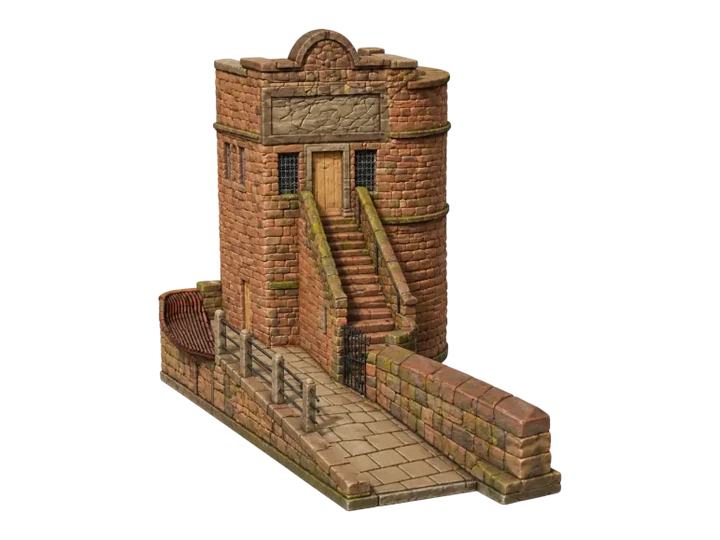
For more on the walls themselves, keep the Chester city walls walking guide handy. The myth makes much more sense once you understand how defensive, political, and symbolic those walls were.
Chester City Walls — The complete circuit is the setting for the myth, even though the myth itself is not law.
The Bit That Is Actually True
Here is what genuinely happened, and it is worth sitting with for a moment because it is properly dark.
In the summer of 1403, the Welsh prince Owain Glyndwr was three years into a full-scale rebellion against the English crown. Henry IV’s government was under pressure. In July that year, at the Battle of Shrewsbury, the rebellion’s English ally Sir Henry “Hotspur” Percy was killed by an arrow that went through his open visor and into his face.
Standing nearby was the king’s sixteen-year-old son, Prince Henry of Monmouth, the same boy who would later become Henry V. He was also Earl of Chester and, by the awkward accident of being born in Monmouth, technically Welsh. On the same day Percy died, an arrow hit Prince Henry in the face. It missed his brain by an inch. A royal surgeon eventually removed the arrowhead with a specially made instrument. Henry survived, but carried the scar.
So: a teenage prince, half-Welsh, just survived being shot in the face by a Welsh-allied force in a battle his father nearly lost. He was, understandably, not in a generous mood.
A few months later, Prince Henry issued instructions in Chester. Welsh residents and Welsh sympathisers were to be expelled; Welsh visitors were not to enter before sunrise or remain after sunset; weapons were to be left at the city gates; and Welsh people were not to gather in groups of three or more. The threatened punishment for staying after dark was decapitation.
None of this is fun. None of it is folklore. It belongs to the historical record of a border city during a rebellion.
What is not on the record is any mention of crossbows, longbows, midnight, Sundays, or the walls being a designated kill zone. The decree was a curfew with a brutal punishment attached. It was not a hunting licence.
There is also no good evidence of anyone being decapitated in Chester simply for being Welsh. The order appears to have functioned in the way medieval anti-immigrant legislation often did: as theatre. Loud, threatening, gestural, and then complicated by the people actually running the city.
If you want the broader Roman-to-medieval context, the Roman Chester guide and the things to do in Chester index are better starting points than any pub-law rumour.
The Welsh Mayor Who Ruined Everything
Here is the punchline. Here is the bit you tell next time someone starts up about crossbows.
In 1405, just two years after Prince Henry’s “no Welshmen in Chester after sunset” order, the citizens of Chester elected a mayor.
His name was John of Ewloe.
Ewloe is a village in Flintshire, about ten miles west of Chester. Medieval civic records do not always give ethnicity in the neat way modern readers would like, but Discover Medieval Chester describes John of Ewloe as a Welshman who rose to become an important figure in the city. In other words, less than five years after the supposed ban, Chester was happy enough to let a man with Welsh roots run the place.
He served more than once. He owned property. He mattered. And there is no evidence that anyone asked him to leave by sunset.
The practical lifespan of the only real Chester order behind the myth was not six hundred years. It was closer to the time between one frightened prince overreacting and the same city electing John of Ewloe.
That is why the modern version is so silly. The city did not preserve a secret archery exception for Englishmen with grudges. It carried on being Chester: trading, arguing, electing mayors, and doing business with the Welsh border because the border was part of the city’s life.
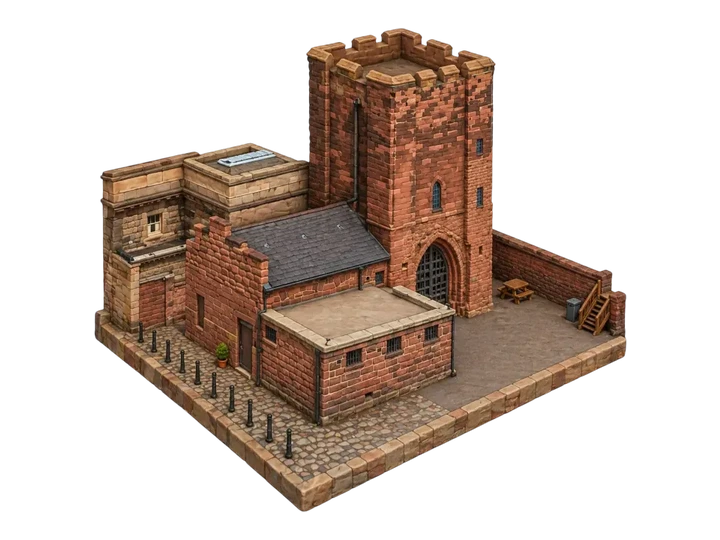
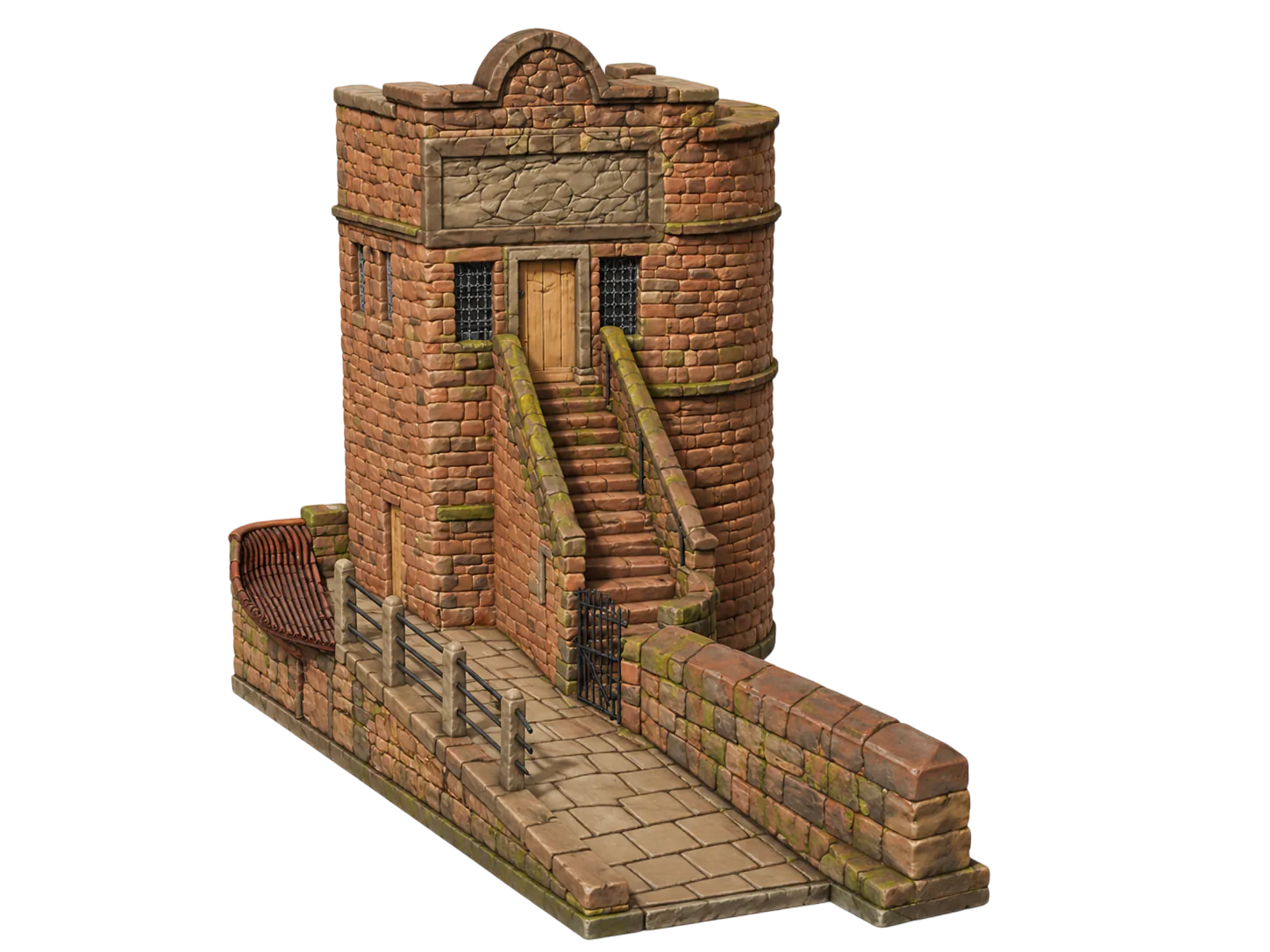
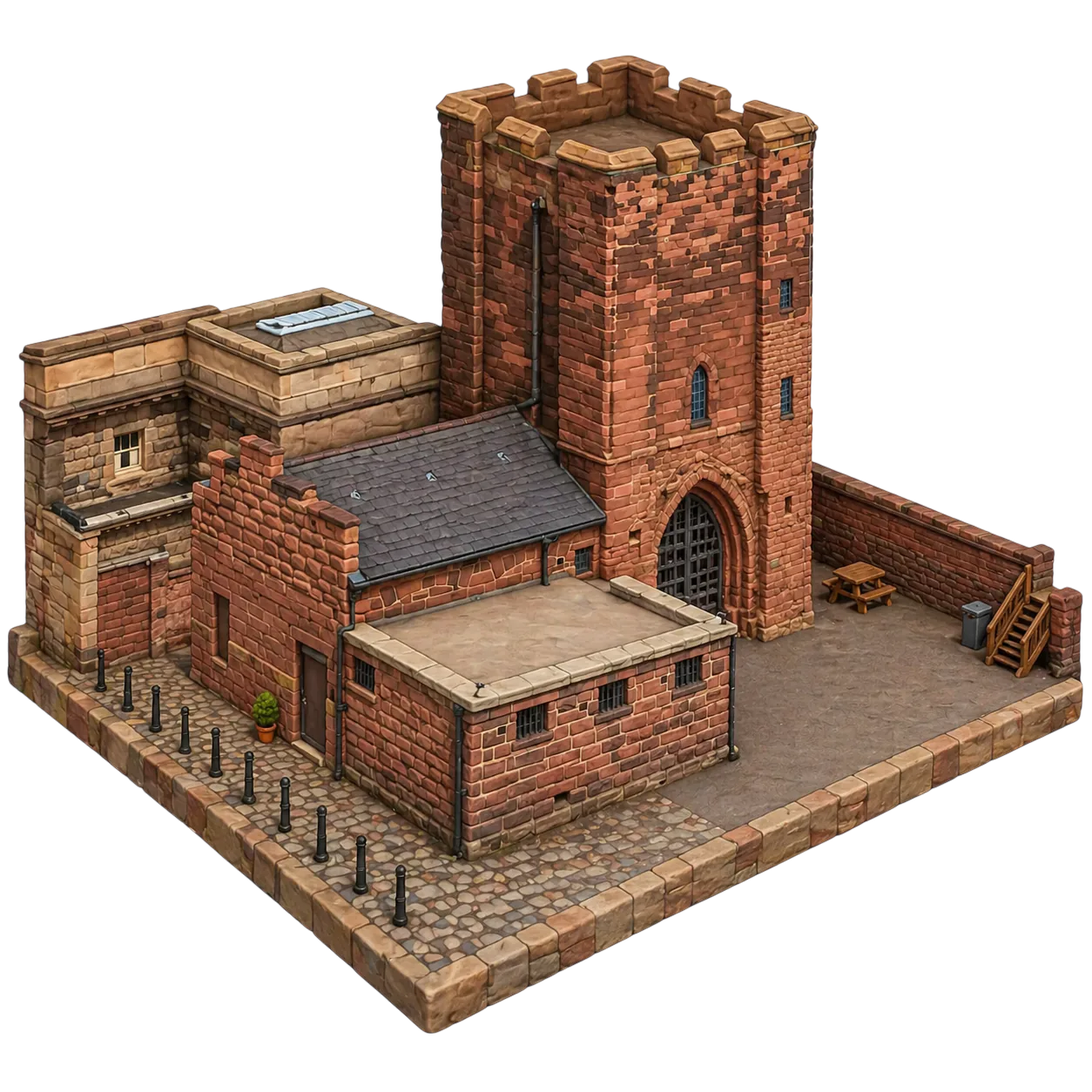
Chester Castle: Agricola Tower and Castle Walls — Chester Castle was the administrative and military heart of the city in periods when the Welsh border mattered intensely.
Why the Myth Survives
The “you can shoot a Welshman in Chester” line survives because it sounds just plausible enough to use as a pub fact. It rewards the teller: they get to seem informed, slightly transgressive, and weirdly patriotic. It costs them nothing because nobody is usually fact-checking medieval civic ordinances between rounds.
The same kind of story exists in York with Scotsmen, in Hereford with Welshmen, and in nearly every English city that ever sat near a contested border. None of these stories are useful legal information. They are identity stories. They tell you more about the teller than the law.
Which is the part that has aged worst. The medieval order at least had the excuse of being issued during a rebellion by a sixteen-year-old recovering from a near-fatal arrow wound. The pub version has no such excuse.
The Actual Current Law
For completeness, and on the off-chance anyone reading this is genuinely confused: in modern Chester, you cannot shoot Welsh people. You also cannot shoot English, Scottish, Irish, French, German, American, or any other people. Unlawful killing is criminal law, and Article 2 of the European Convention on Human Rights protects the right to life.
The crossbow itself is not something you can casually carry around in public without a reasonable excuse, and “I was going to test an obscure 1403 Chester ordinance” is not a reasonable excuse. Please do not make anyone at Chester police have to write that sentence down.
Chester is now twenty minutes from the Welsh border. People commute in from Flintshire and Wrexham. Welsh visitors, workers, students, and families are part of the city’s daily life. The decree of 1403 had a short and ugly half-life. The pub myth has had six centuries and still refuses to get a proper job.
But, and this matters, no: you cannot shoot a Welsh person in Chester after midnight. Not with a crossbow. Not with a longbow. Not from the walls. Not on a Sunday. Not ever.
John of Ewloe, mayor of Chester and a man with a very Welsh place-name attached to him, would like a quiet word with whoever started that rumour.
See Also
- Walking the Chester City Walls
- Roman Chester: Deva Victrix Guide
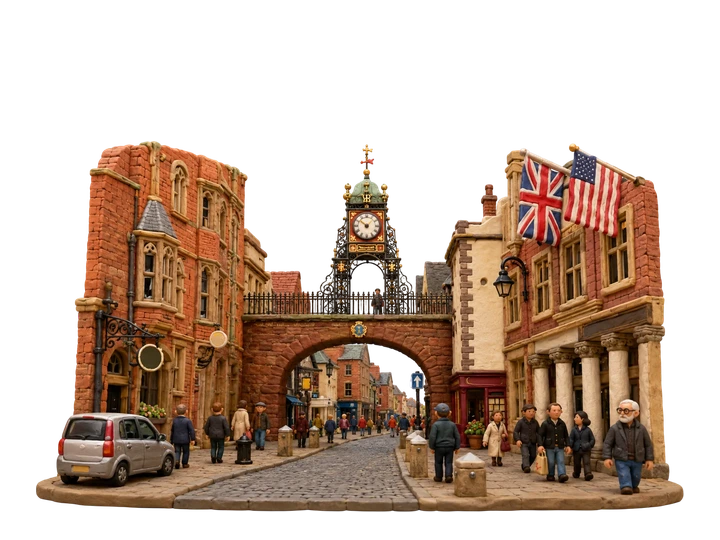
- Eastgate Clock
- The Grosvenor Museum
- Things to do in Chester